 NO KYC CASINO
Self-Custody Wallets Draw Scam and Reporting Scrutiny
Recent reports detail $16 million lost by Coinbase users to fake support and new Brazilian rules on self-custody trades over $10,000. These developments affect privacy-focused players managing no-KYC deposits.
- logged
- by
- Felix Braun
- rail
- #wallet-security
- read
- 1 min
- hash
- 48c9908
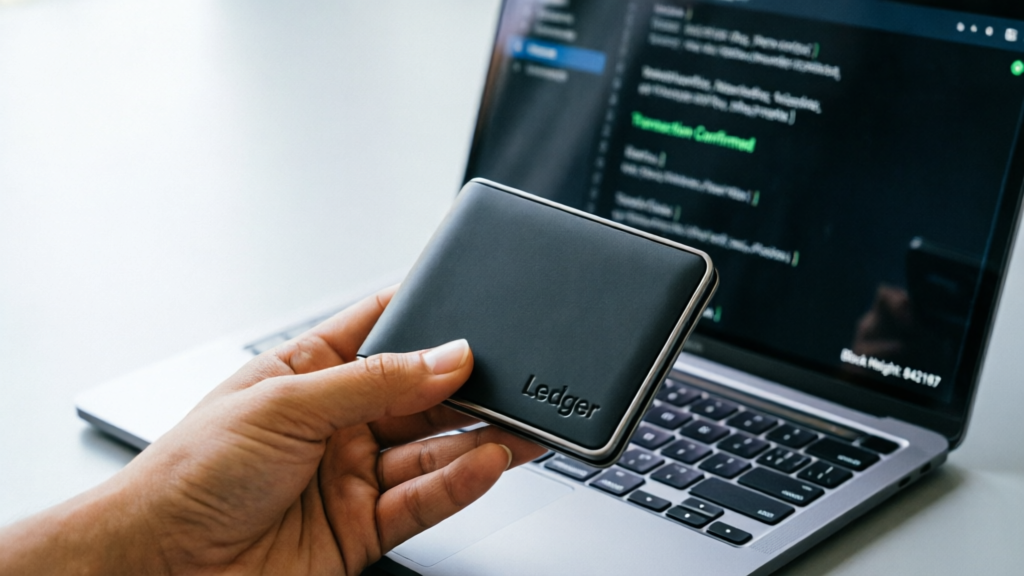
Fake support scams hit Coinbase users hard last week. One hundred accounts lost nearly $16 million after handing over access details.
Scam patterns hitting self-custody users
The losses came from users who trusted messages that appeared to come from the exchange. No-KYC players who move funds through privacy rails face the same risk when they let third parties into their wallets.
Brazil tightens self-custody reporting
Brazil now requires reports on self-custody crypto wallet trades above $10,000. The rule adds another layer of visibility for users who prefer to keep deposits private.
AI tools raise doxxing concerns
New AI systems can link anonymous accounts to real identities. Privacy-coin users on Monero or Zcash already rely on ring signatures and shielded addresses to limit exposure.
Regulatory voices push back on KYC
SEC commissioner Hester Peirce called for an end to the KYC panopticon in her final weeks. Her comments align with players who choose low-fee rails like Litecoin or TRON for fast, minimal-data deposits.
- Check wallet addresses twice before any transfer.
- Avoid clicking links in support messages.
- Use separate wallets for different rails.
- Verify network confirmations match each coin's deposit note.
These steps reduce the chance that a single compromised seed phrase drains multiple privacy-focused accounts.
keywords
- #wallet-security
- #self-custody
- #scam-alerts
- #privacy-rails
- #regulatory-updates