 NO KYC CASINO
The Cincinnati Kid: The Card-Playing Movie That Influenced Generations
The Cincinnati Kid made poker look romantic. The reality of grinding poker is very different from what Malden and McQueen portrayed.
- logged
- by
- Omar Haddad
- rail
- Poker
- read
- 4 min
- hash
- 62d1500
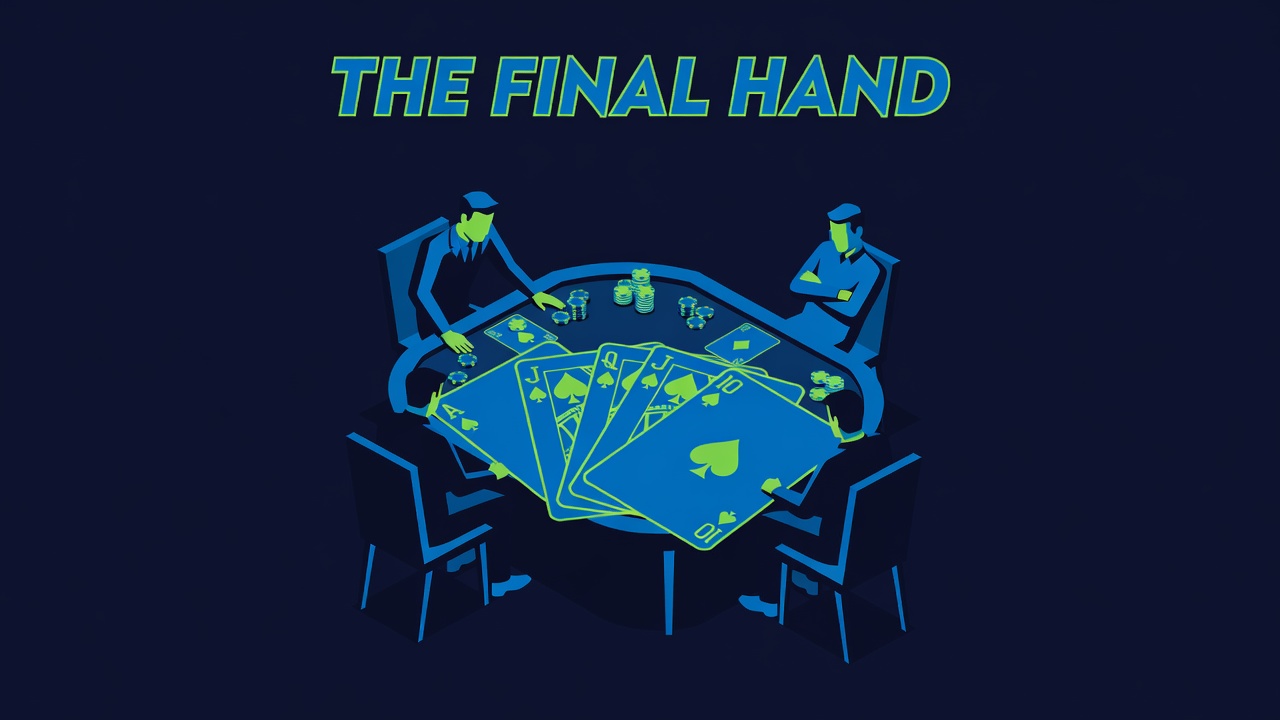
The Cincinnati Kid came out in 1965. It's beautifully shot. Karl Malden is excellent. Steve McQueen plays the confident young pro coming to Memphis to challenge the best. The climactic poker game is tense even though you know nothing about poker.
The movie made poker look like a test of character and wit. The best player wins not because they calculated pot odds, but because they're psychologically superior. They read their opponent. They understand the human element.
This narrative, while dramatically satisfying, has shaped how people think about poker for nearly 60 years. And most of it is wrong.
The Narrative They Sold
Poker is about intuition, character, reading your opponent. The best player is the one who understands people. Intelligence matters, but not in the form of mathematics. Intelligence is perception, psychology, knowing when someone is strong or weak.
This is cinematically perfect. A mathematical genius would make bad movies. A psychologist beats his opponent by understanding him, that's drama.
The Reality
Modern poker is about range, equity, position, variance. You don't need to read anyone's face. You need to understand what hands they're capable of playing from that position with that stack depth.
The Cincinnati Kid shows poker as interpersonal combat. Modern poker is game theory. It's not about reading Karl Malden. It's about understanding probability distributions.
A contemporary pro could beat the Cincinnati Kid's champions not through psychology but through range advantage and pot odds calculation. The Kid wouldn't even understand what was happening to him.
The Influence on How People Play
Amateurs who learned poker from movies think the game is about feel. They think they're good at reading people. They think their intuition is edge.
In reality, their intuition is biased. They remember the times they were right and forget the times they were wrong. They're playing in a small sample with huge variance and attributing variance to skill.
A professional who learned poker from mathematics has a genuine edge over an amateur who learned it from movies. The amateur thinks they're matching wits. The professional is calculating EV.
The Timelessness Problem
The Cincinnati Kid looks good because the fundamentals of poker haven't changed. Two cards, community cards, best hand wins. So a viewer can watch and feel like they're understanding the game.
But poker strategy has evolved dramatically since 1965. The solvers now. The concept of range. The understanding that optimal poker is somewhat similar across many situations due to game theory.
None of this was known in 1965. The Cincinnati Kid is playing against outdated assumptions. A modern player would crush him.
The Gambling Noir Effect
The movie helped establish gambling, specifically poker, as a form of existential testing. You are who you are at the poker table. Your character is revealed.
This is poetic. It's also not how poker works. The table reveals nothing except your bankroll management and your decision-making quality. People who are terrible humans can be excellent poker players. People who are great humans can be terrible.
The Legacy
The Cincinnati Kid influenced an entire generation to think about poker as psychological warfare. Decades of amateurs came to poker thinking they needed to be mind readers.
Many of those amateurs lost money to professionals who didn't read minds but understood mathematics. The gap between perception and reality is where money changes hands.
What It Got Right
The one thing the movie understands: variance is real. The best player doesn't always win. The Kid is the better player but loses the climactic hand. This is poker. The best player over 10000 hands will win. In a single hand, luck dominates.
This is the truest moment in the movie. And it's not because of psychology. It's because of math.
The Lasting Impact
Hollywood poker still plays like the Cincinnati Kid. Tension, reads, psychological dominance. No mention of range, equity, or theoretical game play.
This gap between movie poker and real poker creates constant friction in how people understand the game. They come to the table expecting the Cincinnati Kid to play out. Instead, they get destroyed by someone who understands GTO and position theory.
The movie didn't ruin poker. But it misdirected several generations of players into thinking the game was about something it's not. That's its legacy.