 NO KYC CASINO
Tony G: From Lithuania to Poker Table Trash-Talk Legend
Tony Guoga is a poker professional from Lithuania who became famous for trash-talking at the poker table.
- logged
- by
- Omar Haddad
- rail
- Celebrities
- read
- 3 min
- hash
- 893a041
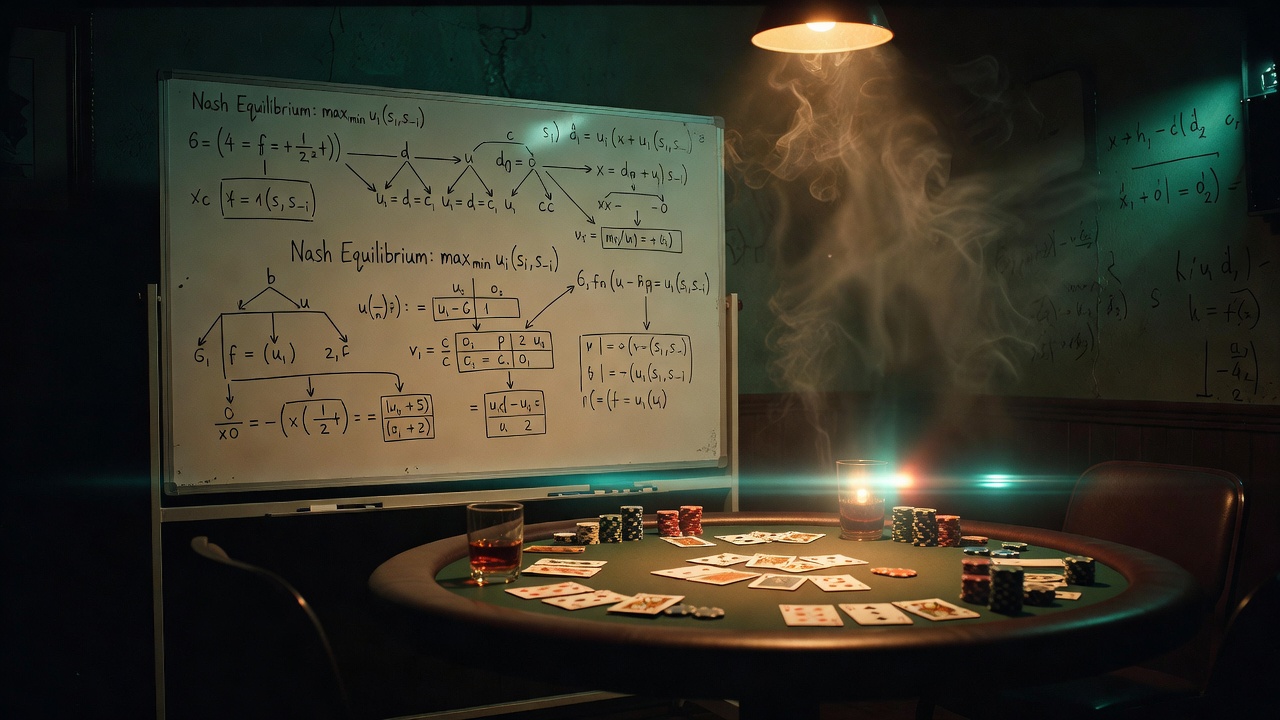
Tony Guoga is a poker professional from Lithuania who became famous for trash-talking at the poker table. His strategy was deliberate: create enough emotional disruption that opponents make mistakes. The strategy worked. The question is why.
Consider a simplified poker scenario. You and an opponent are in a hand. Both players have three percent edge in expectation. The hand is a coin flip. Tony enters and starts insulting your opponent. The opponent becomes angry. Anger is a threat response. Threat responses lead to suboptimal decision-making. The opponent now has negative expected value. Tony has exploited the psychology.
The effectiveness of Tony's approach relied on a few conditions. First, table conditions had to permit it. Some casinos banned disruptive behavior. Casinos did this not out of politeness but because disruption created liability. An angry player might claim they made a decision they would not have made in a calm state. Tony therefore operated in games and casinos that tolerated the behavior.
Second, Tony's technique required knowledge of what upsets each specific opponent. A player who was unflappable could not be disrupted. Tony had to read opponents and find their psychological weaknesses. Trash-talk that worked against one player might be irrelevant to another.
The Game Theory
In game theory, any strategy that improves your expected value is a valid strategy. If insulting an opponent causes them to make mistakes that give you edge, then insulting is a rational strategy. The morality is irrelevant. The only question is whether it works.
Tony's trash-talking demonstrated that it does work. His opponents won less when they were angry. Tony's edge increased when his opponents were emotionally disturbed. Over a career, this compounded. Tony's win-rate exceeded what his technical skill alone would have predicted. The psychological component was real and measurable.
The Evolution of Poker
As poker became more professionalized, players learned to manage their emotions. The game migrated toward higher-level cognitive play where trash-talk became background noise. Modern professionals ignore insults. The distraction fails. Tony's strategy became less effective as the population of opponents improved.
What remains from Tony's legacy is the documentation that psychology matters. Poker is not just cards. It is also how you react to the cards. A player who stays calm under pressure plays better. A player who becomes angry makes mistakes. Tony exploited this difference. Later players learned to neutralize the exploitation by controlling their emotions.
The larger lesson is that system-level skill improvements happen when players learn to counter the exploitative strategies of predecessors. Tony used psychology as a weapon. The counterweapon was emotional discipline. Once players developed that discipline, Tony's advantage disappeared. But he demonstrated the concept.
The Mathematical Truth
The expected value formula remains: (win percentage multiplied by amount won) minus (loss percentage multiplied by amount lost). Adding psychological variables to this formula is straightforward. If trash-talking increases your win percentage by two points, that change translates directly to expected value. Tony understood this implicitly even if he did not use the terminology.
Therefore, Tony G was not just a trash-talker. He was a player who understood that poker's expected value encompasses psychological as well as technical variables. He optimized for the total value, not just the technical value. This was sophisticated game theory applied to a card table.