 NO KYC CASINO
Owning Mahowny: The True Story of a Gambling Addict Banker
A bank employee embezzles millions to feed a gambling addiction. The film documents his entire descent.
- logged
- by
- Max Turner
- rail
- Celebrities
- read
- 3 min
- hash
- b4f2b28
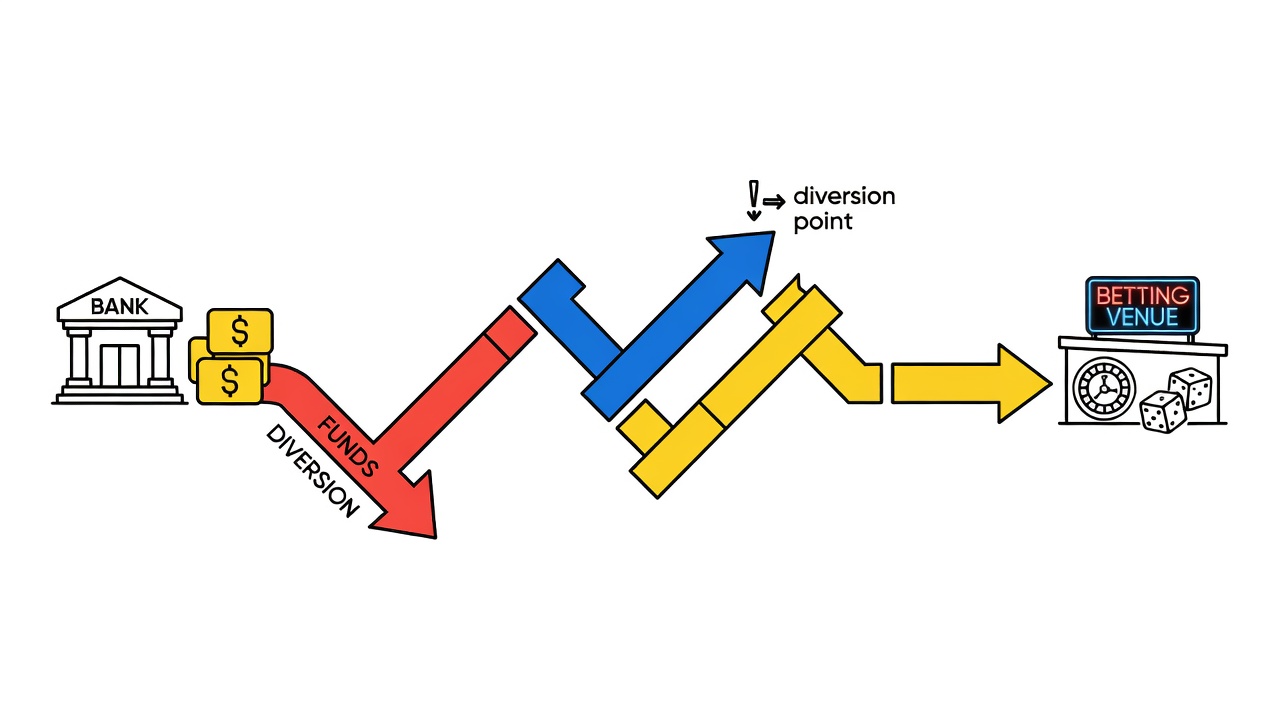
Owning Mahowny is a 2002 film based on the true story of Dan Mahowny, a Canadian bank employee who embezzled over 10 million dollars (Canadian) over several years to support his gambling addiction. The film is a clinical examination of how a person with no predisposition to crime becomes a criminal to sustain gambling losses.
Mahowny worked at a small bank in Toronto. He had access to the vault, customer accounts, and the ability to move money without immediate detection. He gambled at underground poker games and casinos in Atlantic City. As his losses mounted, he began embezzling to cover the losses. Then he embezzled to gamble more. The cycle continued.
What makes the film remarkable is its refusal to dramatize. There are no heists, no clever schemes, no dramatic confrontations. Mahowny simply moves money from account to account. The bank does not notice for months. When they finally do, the investigation is mundane: auditors checking ledgers, reconciliations revealing discrepancies.
The Mechanism
Mahowny's embezzlement worked because the bank's controls were inadequate. A single person had too much authority. Reconciliations were not done in real time. Audits were monthly, not daily. A modern bank would catch this immediately. But in the late 1980s, it was possible to move large sums and hide them for months.
The film documents the technical details of his fraud, which is oddly boring. It is not like Ocean's 11, where the heist is the whole point. It is like an audit, where the fraud is just sloppy record-keeping.
The Psychological Descent
What the film captures brilliantly is the psychological descent. Mahowny starts as a winning gambler (small wins at poker). He becomes a losing gambler (larger losses at casinos). He becomes a desperate gambler (playing at higher and higher stakes to chase losses). Finally, he becomes a criminal gambler (embezzling to sustain gambling).
Each stage is incremental. There is no moment where he decides to become a criminal. It just happens, decision by decision, loss by loss. The film treats this as a trajectory, not a moral failing. Mahowny is not evil. He is broken.
The Regulatory Lesson
Mahowny was caught because the bank finally ran an audit that discovered the discrepancies. Modern banking has segregation of duties: multiple people must approve large transfers. This prevents single-person fraud. The film serves as a reminder that fraud is possible when controls are weak.
For gambling specifically, the film shows how easily a person can escalate from casual gambling to desperate gambling to crime. The path is smooth. There are no alarms. The person is conscious of what they are doing but unable to stop.
The Ending
Mahowny went to prison. He was released and lived a quiet life. There is no redemption arc. No miraculous recovery. Just the aftermath of addiction and crime. The film ends not with his release but with a note that he is still alive, still dealing with the consequences of what he did.
Owning Mahowny is a documentary-style examination of what happens when someone gambles beyond their means, beyond their ethics, beyond their sense of self. It is not entertaining. It is not dramatic. It is clinical. And that is what makes it effective.