 NO KYC CASINO
How Data Providers Power Modern Sportsbooks
Behind every live odds update and injury alert is a company you've never heard of. Here's how the data supply chain works.
- logged
- by
- Max Turner
- rail
- Sports Betting
- read
- 5 min
- hash
- ed8d106
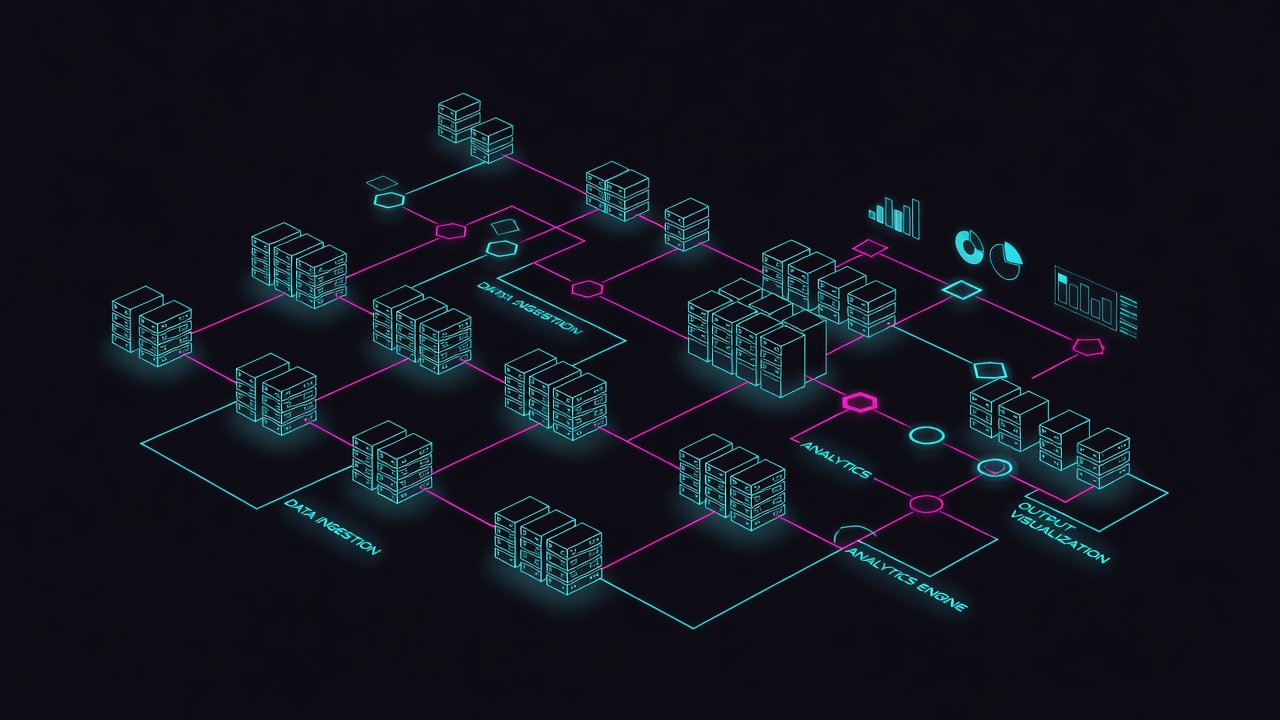
A sportsbook is not a self-contained system. It looks like one: you open the app, you see odds, you place a bet. But the odds themselves are not generated by the sportsbook. They're purchased, updated, and refreshed by specialized data providers operating in real time. Understanding this pipeline is essential to understanding why lines move the way they do, why some books are faster to respond to news than others, and why sharp bettors are willing to pay for high-speed data.
The primary function of a data provider is simple: collect information about sporting events and distribute that information to licensed operators within milliseconds. The information includes live play-by-play data, injury updates, weather conditions, team roster changes, and any other variable that might influence odds. Companies like Sportradar, Stats Perform (formerly Opta), and Genius Sports hold exclusive contracts with major sports leagues to distribute official data.
Take the NFL. The league itself partners with one or two official data providers. These providers station employees or equipment at every stadium. When a quarterback is injured during a game, that information is logged, verified, and broadcast to every sportsbook that subscribes to the feed, typically within 30-60 seconds of the incident being called on the field. The sportsbook's odds-making engine receives the update and automatically adjusts the line for all related markets (injury lines, player props, team totals, and so on).
The Mechanism of Line Movement
Odds don't change because the sportsbook arbitrarily decides they should. They change because data providers report new information, and the odds-making algorithm responds. A weather update showing wind speed increasing by 5 mph affects field goals and passing yards. A backup running back being declared out changes the expected rushing volume. A team's star player entering concussion protocol alters win probabilities across multiple betting markets.
Fast, accurate data is competitive advantage. A sportsbook that receives injury data 20 seconds before its competitors can adjust its lines first, which protects against sharp bettors immediately hedging at the old line. In professional betting circles, this is called "getting ahead of the news." The providers that move data fastest (under 10 seconds latency) command premium licensing fees because the speed translates directly into risk mitigation for operators.
Sportradar operates through a combination of official league partnerships and proprietary sensor systems. For soccer, they embed trackers in stadiums that measure ball position, player position, and velocity. For tennis, they have court-side cameras. For horse racing, they combine official timing with video analysis. The data is structured, validated, and distributed via API. The sportsbook pulls that data every 100 milliseconds, checks for changes, and if a material change occurred, the odds-making engine recalculates.
Stats Perform (Opta) works similarly but with heavier emphasis on historical context. They maintain 30 years of data on nearly every professional athlete. When calculating injury impact, they don't just note that a player is out; they cross-reference historical performance drop-offs when similar players were injured similarly. This context helps the odds-making algorithm understand not just whether a player is absent, but how much worse the team's performance is likely to be.
The modern sportsbook is not a static system. It is a dynamic response machine, and its accuracy depends entirely on the speed and reliability of its data feeds.
The Regulatory Angle
Regulators care deeply about data integrity. The UKGC, the Nevada Gaming Commission, and the Malta Gaming Authority all require that operators use official or regulated data feeds for odds calculations. An operator cannot make up its own version of the score or use unofficial sources. This creates a bottleneck: if Sportradar goes down, dozens of sportsbooks have to pause betting on affected sports because they have no source of truth.
In 2023, Sportradar had a significant outage during a major tennis tournament. Sportsbooks couldn't update lines in real time. They either closed the affected markets or operated with outdated information. This is a systemic risk that regulators acknowledge but haven't fully solved. The concentration of data provision in a few companies means that one failure can cascade across the entire industry.
Data providers also police integrity. They monitor betting patterns to detect suspicious activity (match fixing, insider trading, coordinated fraud). When a betting pattern looks anomalous, they flag it to operators and regulators. This is not paranoia; this is verification that the game being played is the game being bet on.
The Cost Structure
Licensing data feeds is expensive. An operator might pay Sportradar anywhere from 50,000 to 500,000 dollars per year depending on the volume of events and the sport. Some sports (American football, basketball) are more expensive because the data is richer and the liability of getting odds wrong is higher. Horse racing data is cheaper. Esports data is emerging and pricing is still volatile.
This cost is built into the margin. When you place a bet at an online sportsbook, a fraction of the vigorish (the edge the book takes) goes to paying the data provider. For books operating on thin margins (2-3%), the data cost is material. This is one reason that shops operating in regulated markets (UK, Nevada, New Jersey) often have worse odds than Curacao-licensed shops: they're paying more for data compliance.
Small, unregulated operators often use unofficial or delayed data (sometimes 5-10 seconds old). This creates an asymmetry: a sharp bettor with official data can see a line change before the unregulated book sees the information. This is why the sharpest bettors always bet at regulated books first. The data flows to them instantly.
The Player Experience
For a casual bettor, none of this matters. You place a parlay, it settles, you win or lose. But for someone tracking closing line value or arbitrage opportunities, the data pipeline is everything. A 10-second advantage in seeing an injury report is worth thousands of dollars across hundreds of bets. This is why professional bettors are willing to pay for premium data feeds. They're buying the same data the sportsbooks are buying, just with their own interpretation on top.
Modern sportsbooks have become increasingly transparent about their data sources. Most now display which official feed they're using. This is partly regulatory requirement, partly marketing ("we use official NBA data for all our lines"). It signals to the bettor that the odds are not arbitrary or manipulated.