 NO KYC CASINO
Croupier 1998: Clive Owen's Cult Casino Noir Explained
A crypto person would recognize the system immediately. Croupier is a film about asymmetric information.
- logged
- by
- Omar Haddad
- rail
- Celebrities
- read
- 3 min
- hash
- e373330
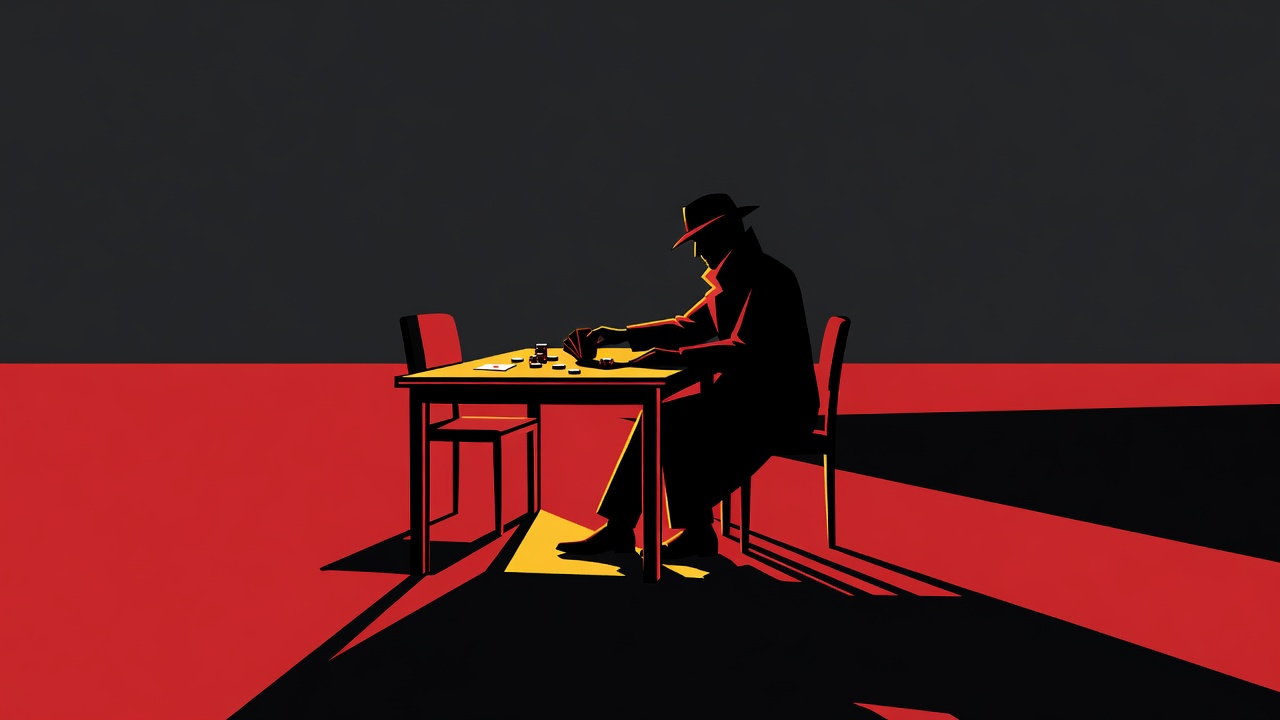
A crypto person would recognize the system immediately. Croupier is a film about asymmetric information. The croupier sees all the cards on the table. The players see only their own. The croupier has perfect information while executing neutrality. That neutrality is the power.
The film opens with our protagonist Jack out of work. He needs money. He becomes a croupier at a London casino. The job pays well for the time commitment. The job is also dull. Jack manages the table. Players arrive, lose money, leave. New players arrive, lose money, leave. The system runs without his intervention.
But Jack discovers that his position as dealer gives him knowledge. He watches the tells of expensive players. He observes their patterns. He learns which ones are wealthy enough to handle losses, which ones are gambling with borrowed money, which ones are beginning to lose control. He realizes he has information that casinos monetize. He begins to think like a house. He begins to think he can predict outcomes.
The Narrative Turn
A criminal approaches Jack. The criminal wants Jack to help with a casino heist. The criminal will alert Jack when the heist is happening. Jack should help from his position at the table. The arrangement is that the inside man gets paid well for assistance. Jack agrees. Jack now has stake in a particular outcome.
But Jack has misunderstood the information asymmetry. He thought his position as dealer gave him power. What it actually gave him was visibility. The criminals had planned the heist without him. Jack's knowledge was never required. When the heist happens, Jack realizes he has been manipulated.
The Philosophical Core
The film's central thesis is that the house always wins not through cunning but through structure. The house wins because the mathematics favor the house. The players arrive with money and leave with less money. This is not fraud. This is the disclosed mechanism. The croupier who tries to win by predicting outcomes is like a currency trader trying to profit from fundamental economic shifts. Both are fighting against structural headwinds.
Jack ends the film understanding that his position as croupier is not a seat of power but a position of quiet observation. He sees the worst behavior human greed generates. He watches people destroy themselves over the course of hours. His job is to facilitate this process while maintaining courtesy.
The Crypto Native Perspective
The decentralization advocates would see Croupier as a film about centralized power. The casino is the center. The croupier represents the system. The players represent the users. All the information flows through the center. The croupier (the system) has perfect visibility while the players (the users) are navigating with limited information.
The film suggests that information asymmetry cannot be overcome by the players. Any attempt to gain inside information is futile because the house controls the apparatus of knowledge. The only winning move is not to play. Jack's arc ends with Jack accepting his role. He is not fighting the system. He is living inside it.
Most films that examine gambling do so from the player's perspective. Croupier is unusual in centering the dealer. The dealer is not a villain. The dealer is simply the conduit through which the mathematical advantage flows. The dealer is the agent of a system larger than any individual.