 NO KYC CASINO
How to Win Heads-Up Sit-and-Go Matches
A heads-up sit-and-go is a poker tournament with two players and one table. First to eliminate their opponent wins the prize.
- logged
- by
- Omar Haddad
- rail
- Guides
- read
- 3 min
- hash
- ae0f6ee
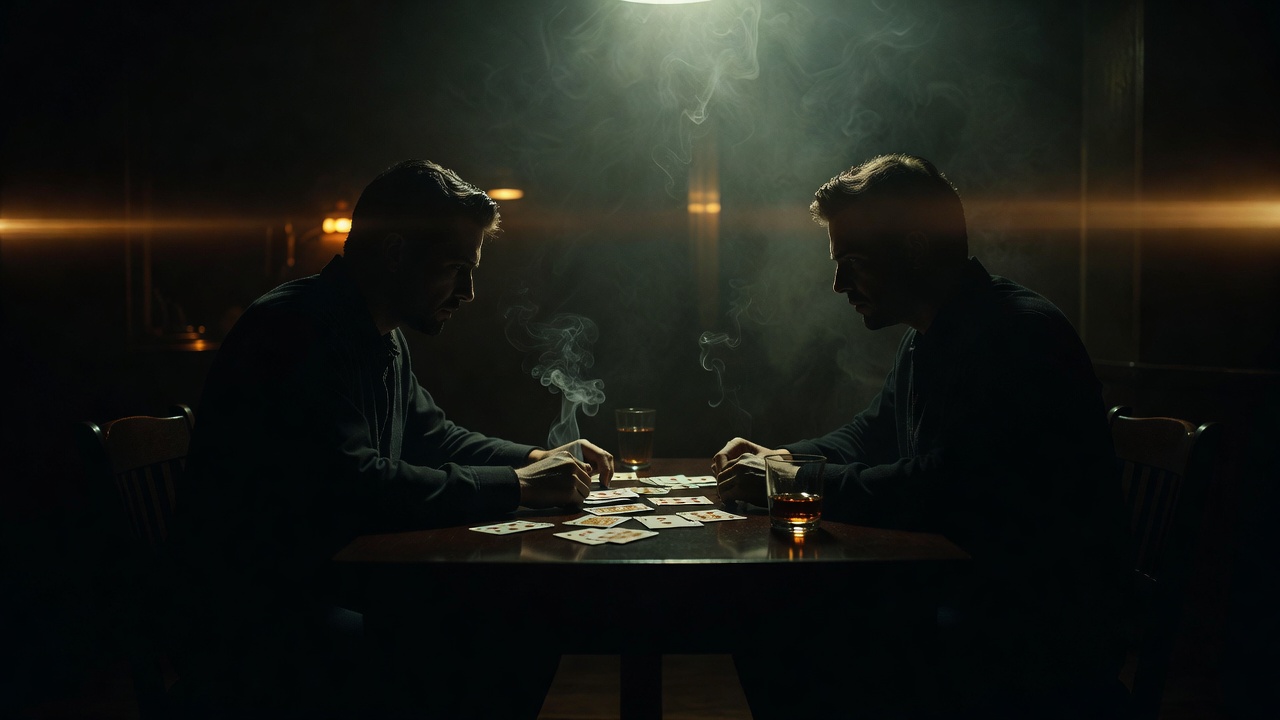
A heads-up sit-and-go is a poker tournament with two players and one table. First to eliminate their opponent wins the prize. The structure is simple: ten-minute blinds, starting stacks of fifteen hundred each, top-up chips after time expires.
On March 14, 2019, two players sat down at an online poker site to play heads-up sit-and-go matches. Player A was rated at fifteen hundred ELO. Player B was rated at sixteen hundred ELO. They played twenty matches. Player A won twelve. Player A's expectation based on ELO was to win ten. This is not statistically significant variance. This is noise. But the process matters.
The Early Position Advantage
Heads-up play is mathematically favorable for the button. The button is in the small blind. The button acts last post-flop. The button sees the opponent's action before acting. This is worth roughly three percent of expected value. The player who wins the button coin flip often has an advantage over the match simply from this detail.
Player A, having slightly weaker ELO, understood this asymmetry. In matches where Player A had the button initially, Player A played aggressively. The aggression forced Player B to either defend by raising or to fold and accept disadvantage. Player B chose to defend, which meant fighting from out-of-position. Over forty hands, this compounded. Player A built a chip advantage.
In matches where Player B had the button initially, Player B used the same strategy. The player in position seized the mathematical advantage and pressed it. What neither player did was sit back and wait. This is the common error in sit-and-go play. New players think early position means passive play. Actually, button position is the invitation to be aggressive.
The Turn
Once button play established a chip leader, the dynamic shifted. The short-stacked player faced pressure from blinds. The player with twelve hundred chips and the opponent with eighteen hundred was three blinds from elimination. This player played tighter than equilibrium. The fear of elimination increases the threshold for all-in decisions.
The chip leader exploited this tightness by stealing blinds. Raising from button, stealing the blinds, then folding to aggression. This is not glamorous play. It is not newsworthy. It is the foundation of sit-and-go strategy. The player with chips uses the threat of elimination to force error from the opponent.
The Endgame
When the stack ratio reached three to one, the short-stacked player shifted strategy again. The short-stack must now win all-in to have any chance. The player went to pushing all-in from button with any pair or any ace. The chip leader called with a much wider range than normal poker would justify, because the odds of being ahead were high enough to warrant the call. The short-stack accumulated chips or got eliminated. There was no third option.
Why This Matters
The case of these twenty matches showed that sit-and-go poker is not about making correct decisions in a vacuum. It is about exploiting the dynamic that the format creates. The format creates situations where chips determine psychology. Psychology determines decisions. Decisions determine outcomes.
Player A won not because Player A was a better player at fundamental poker. The ELO difference was one hundred points on a scale where the difference between two-thousand and two-hundred is the difference between professional and amateur. Player A won because Player A understood that sit-and-go poker is not about best position and worst position at every moment. It is about controlling the transition between positions.
The most common losing strategy in sit-and-go is to play a near-optimal strategy from the start. This requires perfect hand evaluation. A winning strategy is to vary play enough that the opponent cannot exploit patterns. This is easier than optimal. The short-stack knows they need luck. The chip leader knows they just need not to give the short-stack that luck.