 NO KYC CASINO
Kashiwagi vs Donald Trump: The Freeze-Out That Never Finished
The Kashiwagi vs Trump baccarat game was one of the highest-stakes matches ever played. It nearly bankrupted a businessman and made headlines worldwide.
- logged
- by
- Felix Braun
- rail
- Baccarat
- read
- 4 min
- hash
- dd90b9d
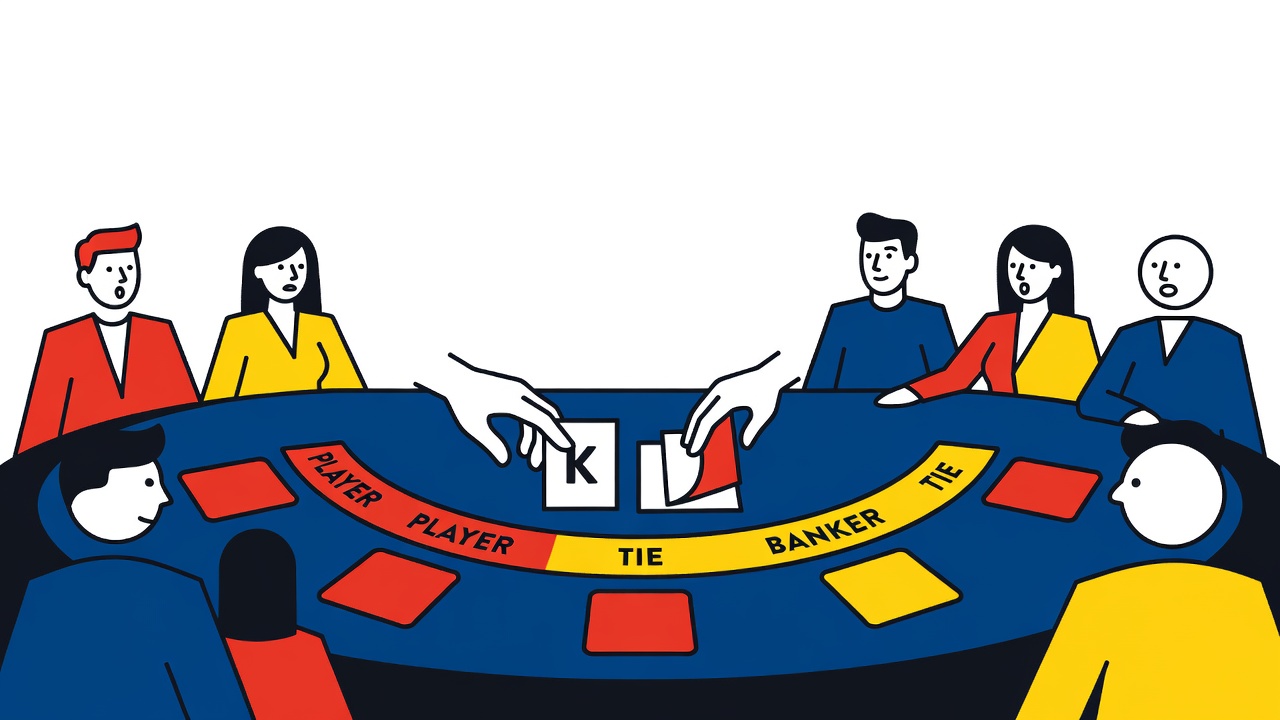
On February 12, 1992, at the Trump Plaza Casino in Atlantic City, Akio Kashiwagi from Japan and Donald Trump agreed to a heads-up baccarat game. Kashiwagi was a real estate developer and whale gambler. Trump was the casino owner.
The game went to approximately 100 million dollars in wagering before Kashiwagi refused to continue and left. The final settlement was disputed.
The Setup
Kashiwagi arrived in Atlantic City as a high-roller. Trump invited him to play baccarat at Trump Plaza. The game was conducted with clear rules: all bets recorded, all transactions documented, independent observer present.
This was 1992. Baccarat was the preferred game for high-stakes players, especially Asian players.
The Stakes
The initial bets were approximately $200,000 per hand. As the game progressed, bets increased. Some hands had eight-figure wagers.
Kashiwagi lost significantly early. The game continued for hours. Kashiwagi believed he should be allowed to continue playing to win back losses. Trump believed the game should end after a predetermined amount of wagering.
The Dispute
Kashiwagi claimed the game was rigged. Trump's response was that the game was conducted fairly according to agreed-upon rules.
Kashiwagi lost roughly $9.2 million according to Trump's count. Kashiwagi claimed the loss was smaller due to the game being compromised.
The dispute went to court. The case was eventually settled out of court.
The Baccarat Mechanics
Baccarat is a simple game. Two hands are dealt: Banker and Player. Players bet on which hand will be closest to 9.
There is no strategy in baccarat. No decisions to make after betting. The outcome is determined by the cards dealt.
In a fair game with a fair shuffle, Banker has a slight edge (1.06% or so) due to the dealing order. Player has a slight disadvantage (1.24%).
The Rigging Allegation
Kashiwagi's claim of rigging was never substantiated. The game had an independent observer. The cards and shuffle procedures were standard.
From a compliance perspective, Trump Plaza had no mechanism or obvious motivation to rig a heads-up baccarat game. The casino wasn't at risk (the house still has an edge on every hand). The operator (Trump) had no financial interest in Trump winning.
The Psychological Angle
Kashiwagi was a high-roller used to winning. He expected to win. When he lost, the cognitive dissonance led him to question the fairness of the game rather than accept that he simply had bad luck.
This is human. It's especially human when dealing with large losses.
The Historical Context
This game was 1992. Casino surveillance, shuffle procedures, and game regulation were less rigorous than now. A claim of rigging, even if baseless, could not be instantly disproven with video analysis.
Now, casinos have high-definition video, shuffle documentation, and regulatory oversight. The equivalent situation would be much easier to adjudicate.
The Settlement
The case was settled. Kashiwagi paid Trump a portion of the claimed losses and then returned to Japan. The exact settlement amount was not disclosed publicly.
From Trump's perspective, settling was better than fighting in court, even if he believed his position was correct.
The Lessons
From a compliance perspective, the Kashiwagi game illustrates several principles:
One: high-stakes games require documentation and independent observation. Two: baccarat, being a game of no player decisions, is inherently fair if the shuffle is fair. Three: losers sometimes claim rigging. Having procedures in place to defend against accusations is important. Four: settlement is sometimes preferable to legal battles even when you believe you're right.
The Outcome for Kashiwagi
Kashiwagi continued gambling after the Trump game. He allegedly lost over 100 million dollars across various casinos. He remained a whale until his death.
He never won the money back. Whether he believed the Trump game was rigged or accepted it as a loss, he continued playing anyway.
The Broader Implication
This game shows that even at the highest stakes, with independent observers and clear rules, disputes about fairness can arise. The only true fairness is mathematical: the game is fair if the procedure is fair, regardless of the outcome.
Kashiwagi's loss was bad luck, not rigging. But the experience of a major loss led him to question fairness. This is human nature.