 NO KYC CASINO
Network Fees on Crypto Casino Deposits: What to Expect
Crypto casino deposits charge network fees. These fees are not fixed. Understanding them before depositing saves money.
- logged
- by
- Max Turner
- rail
- Bonuses
- read
- 3 min
- hash
- a2c7614
I remember when Atlantic City had three casinos. Now it has nine and they're mostly empty. I remember when deposits meant walking to the window with cash. Now it means navigating network fees.
Crypto deposits at online casinos charge fees that depend on network congestion, network you use, and casino policy. They're not hidden, but they're not prominently disclosed either.
The Bitcoin Network
Bitcoin deposits are slow and expensive. Transaction fees fluctuate based on network congestion. During busy periods, fees are high (20 to 50 dollars or more per transaction).
During slow periods, fees drop to a few dollars. Most players don't time their deposits for low-fee periods.
The Ethereum Network
Ethereum has similar fee structures but with higher base fees. Ethereum transactions cost more than Bitcoin transactions.
Casinos using Ethereum are essentially charging players more for the convenience of faster transactions.
The Layer-2 Solutions
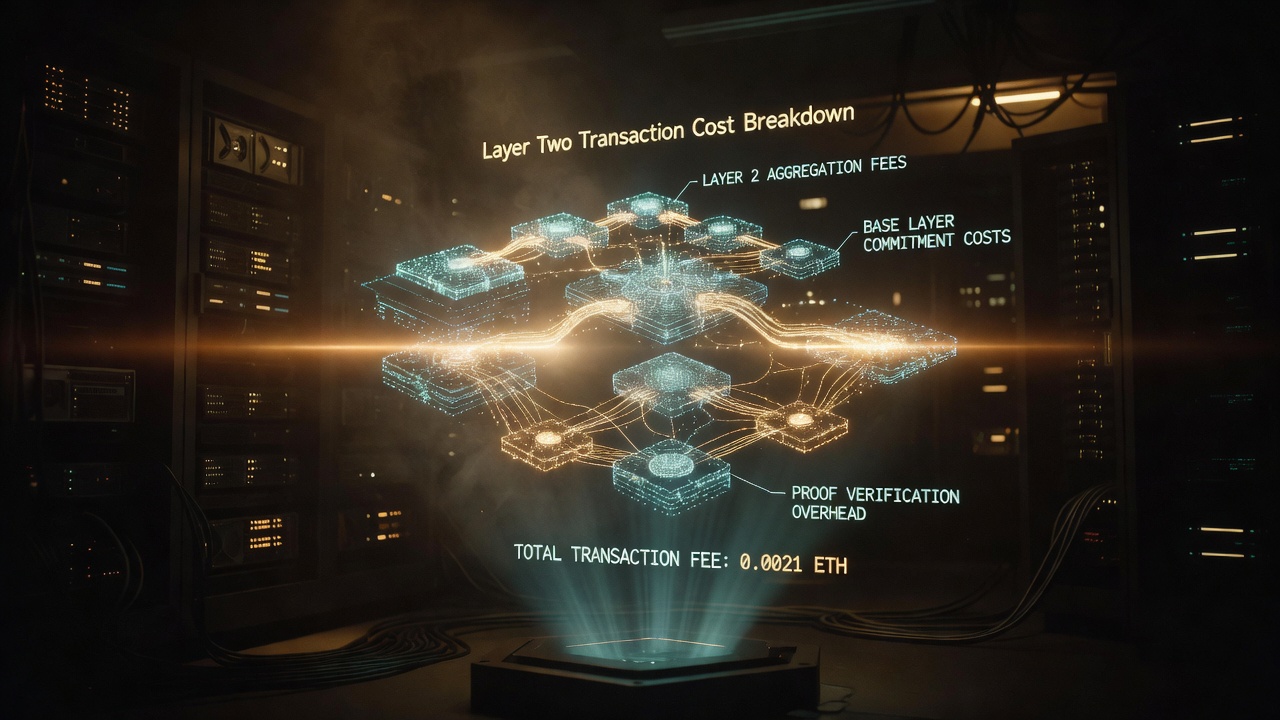
Some casinos accept deposits on Layer 2 networks (Polygon, Arbitrum, Optimism). These networks have dramatically lower fees (cents instead of dollars).
They're also less liquid. Converting back to cash from a Layer-2 network is more complicated than from mainnet.
The Casino's Perspective
Casinos don't set network fees. Miners set them based on demand. But casinos can choose which networks to accept (Bitcoin, Ethereum, Stablecoins, Layer 2).
Accepting multiple networks and allowing players to choose is the player-friendly approach. Most casinos only accept one or two.
The Stablecoin Factor
Deposits in stablecoins (USDC, USDT) on Ethereum or Layer 2 networks are often cheaper than Bitcoin or native Ethereum.
But stablecoins are less liquid. Converting to stablecoins to deposit (and then converting back to fiat) adds friction and potentially more fees.
The Exchange Rate Risk
Crypto prices fluctuate. If you deposit Bitcoin and the price drops 10%, your deposit value drops 10%. This is not a network fee but an exchange rate cost.
Some casinos hedge this. Some pass it to the player.
The Withdrawal Fees
Withdraws cost network fees too. These are often more expensive than deposits because casinos batch withdrawals, which creates larger transactions.
A batch withdrawal of 100 deposits might cost 50 dollars in fees, so each withdrawal costs 50 cents from the pool. But if you request withdrawal immediately after deposit, you might pay the full network fee.
The Casino's Fee Schedule
Some casinos charge additional fees on top of network fees. A 2-3% deposit fee is common. This is profit for the casino, not a network cost.
The casino's fee plus the network fee can add up to 5-10% for small deposits.
The Minimum Deposit
With high network fees, small deposits become uneconomical. If network fees are 5 dollars and you're depositing 50 dollars, you've already lost 10%.
Casinos often have minimum deposits of 50 or 100 dollars partly because smaller deposits aren't worth processing.
The Timing Problem
Network fees fluctuate hour to hour. Depositing during a congested period (weekend, big news event) can cost 3-5x more than depositing during quiet periods.
Most players don't optimize for this. They deposit when they want to play, not when fees are lowest.
The Comparison
Traditional online casinos charge 2-3% on credit card deposits (processing fees). Crypto casinos charge 0-5% in network fees plus potential casino markup.
The total cost is comparable, but crypto fees are more volatile.
The Transparency Issue
Casinos should clearly state network fees before the player deposits. Some do. Many don't. You find out when you see the amount received is less than the amount sent.
The Strategic Approach
If you're going to use crypto casino deposits: deposit during low-fee periods, use Layer-2 networks or stablecoins when possible, consolidate multiple deposits into one larger deposit (better fee-to-amount ratio).
Or just use traditional casinos and avoid the fee complexity entirely.