 NO KYC CASINO
Live Dealer Game Show Crossovers: Ghosts of the Boardwalk
Game shows used to be on television. Now they're at your desk, and something has been lost in the translation.
- logged
- by
- Omar Haddad
- rail
- Live Casino
- read
- 4 min
- hash
- bafd144
I remember the Golden Nugget in Atlantic City, 1987. The slot carousel in the back ran through a mechanical light show that cost more than a new car. Everything was loud. Everything demanded your attention. A woman played the same machine for six hours, pumping quarters, and the casino staff treated her like she was famous. That was the feeling they sold: you belonged here, you mattered, the lights were for you.
Watching live dealer game show casinos now, I see that same impulse built in software. Deal or No Deal Live. Crazy Time. Dream Catcher. The format is recognizable: a host, spinning wheels, bright colors, anticipation. But the audience is gone. The shared moment has evaporated.
What changed is something people in Atlantic City understood in 1985: a casino game is theater. The house expected you to play alone, sure, but you were playing alone together. The pit boss knew your name. The waitress brought your drink without asking. You knew the regular at the next machine. The game itself was secondary to the belonging.
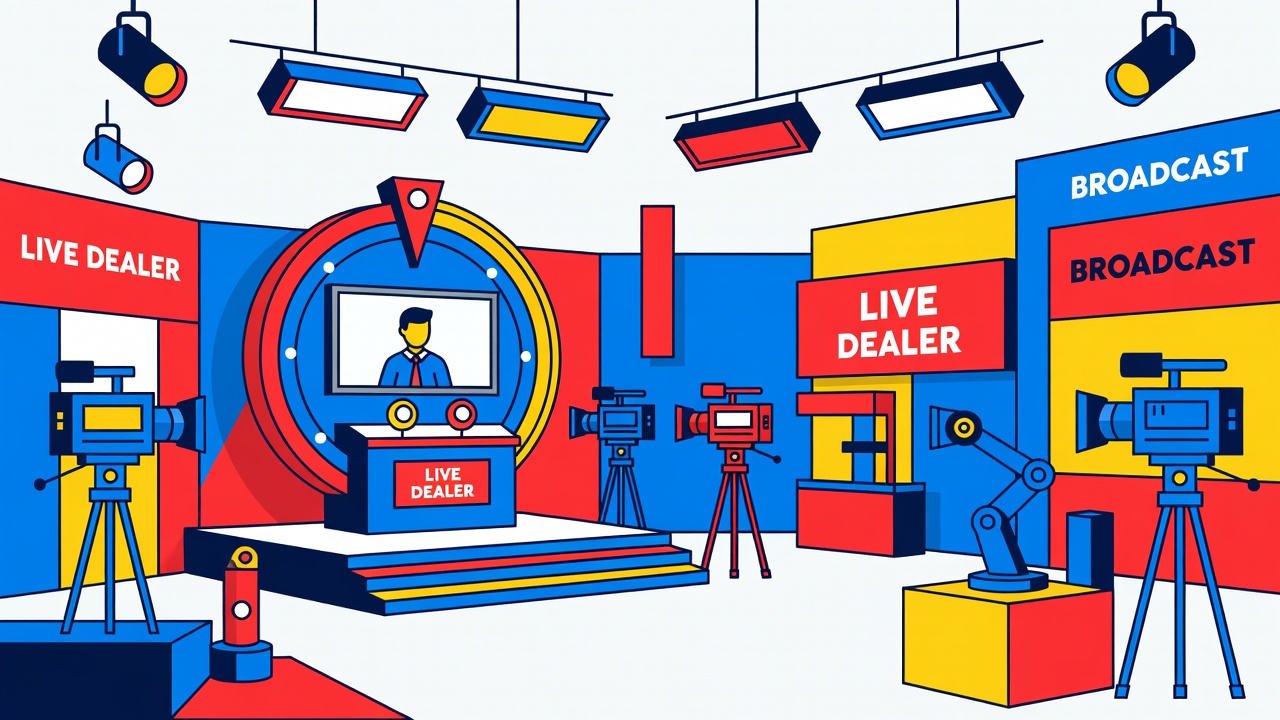
Live dealer game shows tried to recreate this online. They put a real person on a camera. They let you chat with other players in a window. They spin big wheels and call out winners. But something in the architecture breaks it.
Online, you're playing against strangers you'll never see again. The host is performing for a camera, not for you. The other players are usernames. The chat window moves too fast to follow. There's no moment of collective holding-your-breath. Everyone's waiting in their own quiet room.
The Mechanics of a Dead Tradition
These games share a structure: low house edge, high entertainment. Deal or No Deal offers you a negotiation. Crazy Time offers a multiplier wheel. Dream Catcher offers one ball dropping through pegs. The actual gambling is almost beside the point. The point is that something is happening that you didn't control, and control is dangerous in casinos.
Back in Atlantic City, the appeal of the slots was that they were mechanical. You pulled a lever. The reels spun. A computer chip inside had already decided your fate, but the spinning made it feel like maybe it hadn't. The theater of chance. These live games offer the same theater, but hosted by a person making minimum wage in a studio in Malta or Manila, spinning a wheel they've spun ten thousand times.
What gets lost is the smell. You don't notice you're missing it until you've been away from a real casino for ten years and then go back. The carpet, the cigars, the spilled drinks, the desperation, the joy. It's all woven into the air. Online, you're smelling your apartment. The walls don't pulse. The ceiling isn't 40 feet high. The game is a window on your screen.
The casino knew this in 1987. They didn't just offer gambling. They offered an escape, a place where the normal rules didn't apply. They offered other people like you, all of you willing to lose money together, which meant nobody had to feel alone in losing. These live dealer games are trying to recreate that digitally, and the effort is touching and futile. You can't network a mood. You can't websocket a feeling.
I watched an old clip of a Boardwalk boardwalk once, all neon and wet pavement and people walking between casinos. The camera panned and there were thousands of faces, all heading into different buildings, all of them either winning or about to lose something. The density of human hope on 500 feet of asphalt. It was capitalism in its purest theater.
Live dealer games offer you solitude. You sit alone. A stranger on a screen takes your money. Other names in a chat window celebrate or commiserate. The game is cleaner, faster, cheaper to run than a real casino. But it's missing the architecture that made the original powerful. It's missing you in the room with others who also want what you want. It's missing the absolute strangeness of being surrounded by people who are also failing at the same thing.
What's a table game crossover, really? It's a game show formula bolted onto a gambling platform. It's nostalgia without the smell. It's theater with the audience removed. And what the casinos learned in Atlantic City and forgot online is that gambling isn't a solitary act. It's a collective ritual. These games broadcast that ritual to people sitting alone. Nothing broadcasts the same twice.