 NO KYC CASINO
Live Dealer Studios Around the World: Where Your Dealer Actually Is
The live dealer you see on your screen is not at your casino. The dealer is in a studio somewhere in Eastern Europe or Southeast Asia.
- logged
- by
- Felix Braun
- rail
- Live Casino
- read
- 3 min
- hash
- 14fdcf5
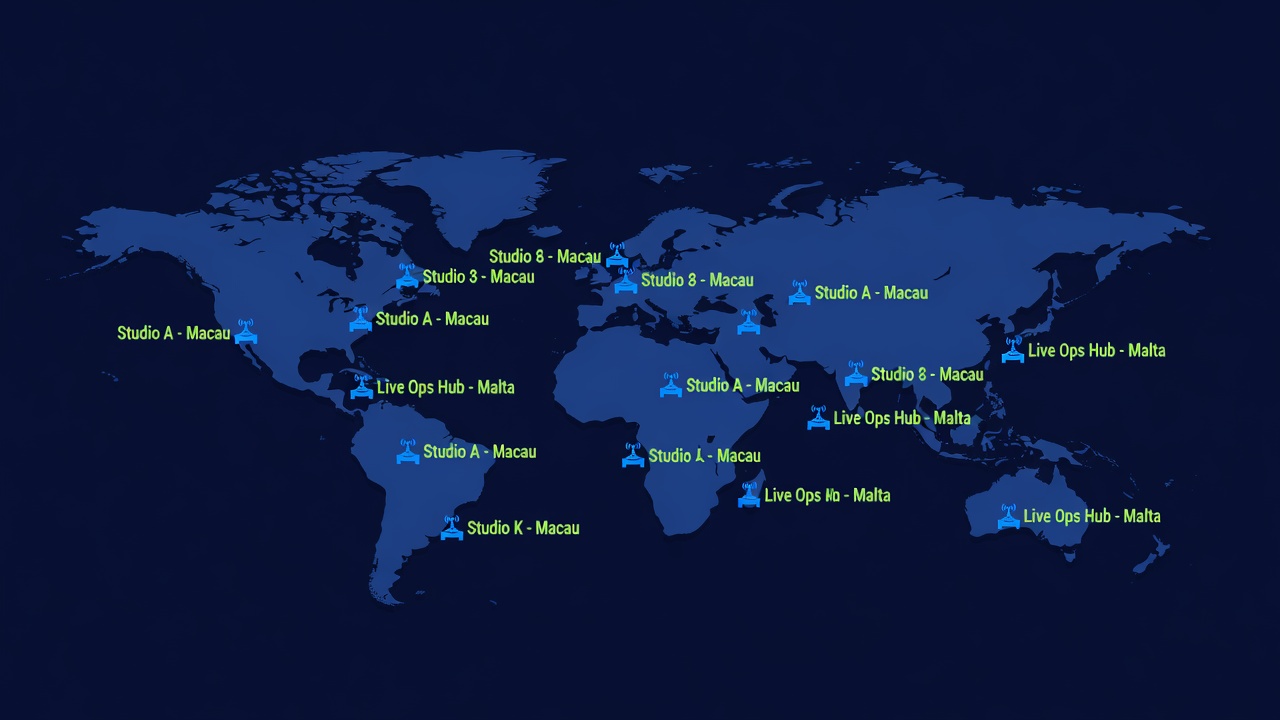
The live dealer you see on your screen is not at your casino. The dealer is in a studio somewhere in Eastern Europe or Southeast Asia. The studio is set up like a casino floor, but with the added infrastructure needed to broadcast to the internet. The camera angles are optimized for surveillance, not for player comfort.
Most live dealer studios are in Riga, Latvia. Latvia became the live dealer capital because of cost structure and regulatory framework. A dealer in Riga makes sixty dollars per day. A dealer in Las Vegas makes two hundred dollars per day plus tips. The economics are dramatic. A studio with thirty dealers and camera operators costs half what the same studio would cost in the US.
Other studios operate in Georgia, Philippines, and Malta. Malta studios serve European customers. Georgian studios serve European and Asian customers. Philippine studios serve Asian customers. The distribution follows time zones and regulations. You want the studio as close to the customer as possible to minimize latency.
The Dealer Economy
Dealers in live studios are employees. They work shifts. They follow scripts. They are monitored by supervisors off-camera. If a dealer makes a mistake, the mistake is reviewed. If a dealer cheats, the dealer is caught. The surveillance is as thorough as any land-based casino.
The job is not glamorous. The dealer sits under hot lights. The dealer speaks to people they never meet. The dealer repeats the same spiel hundreds of times. The compensation is low by Western standards. The job attracts people in countries where the wages are competitive.
The skill required is lower than land-based dealing. The live dealer does not need to manage chips or shuffle perfectly. The technology does much of the work. The dealer mainly deals cards and manages the table flow. This lower skill requirement allows studios to hire and train quickly.
The Regulatory Consideration
Live studios exist in jurisdictions that permit them. Latvia permits live dealer gaming under gaming licenses. The studios are regulated by the Latvian Gaming Commission. The regulatory oversight provides credibility to players.
Unlicensed studios operate outside regulation. These studios might use similar infrastructure but without the compliance burden. The risk to players is higher. The lack of oversight means no recourse if the game is rigged.
The Technical Setup
A studio requires multiple camera angles, each with lighting and positioning for optimal surveillance. The cards are dealt from a shoe that is visible to the main camera. The betting interface is electronic, not physical. Players place bets on their device. The dealer confirms the bet amount on screen. The card deal happens. The result is determined.
Latency is the technical challenge. Internet signal travels at the speed of light. But servers add delay. The player's click takes time to reach the studio. The studio's response takes time to reach the player. The total latency is typically 100-500 milliseconds. This is noticeable. It creates the slightly off-sync feeling of watching live sports broadcast.
The Future Centralization
The industry is consolidating around a few major studios. Evolution Gaming operates enormous studios in multiple locations. The competition for players drives consolidation. Smaller operators cannot compete on breadth. A major studio with hundreds of games beats a minor studio with a dozen.
The dealer is becoming increasingly invisible. You do not care where the dealer is. You only care that the game is fair and the latency is low. The studio location is irrelevant except to regulatory authorities. The dealer is a role performed by actors in a setting optimized for broadcast, not for human comfort.