 NO KYC CASINO
Poker Tells in Live Games: What to Watch For
In 1985, a man named Arthur Entin built a machine that played slot machines. It was not elegant. It was a cabinet with the guts of a Bally cabinet rewired to test random number sequences.
- logged
- by
- Omar Haddad
- rail
- Poker
- read
- 3 min
- hash
- 87b8611
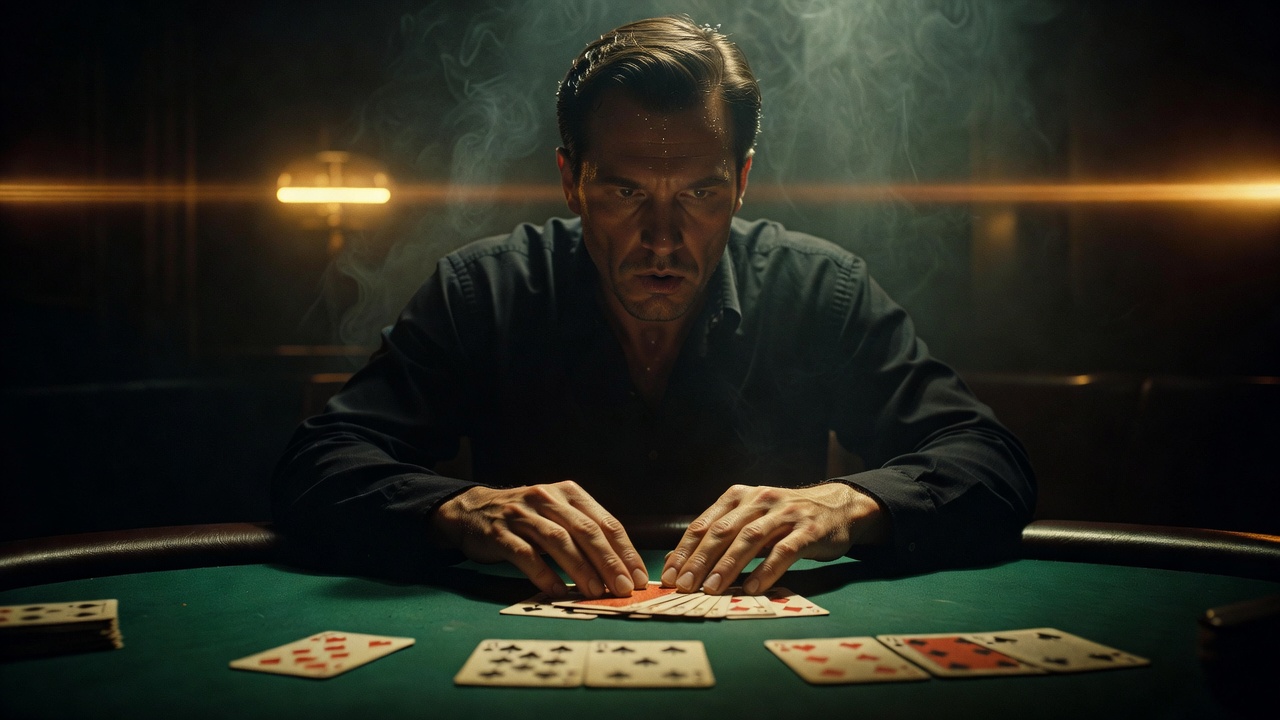
In 1985, a man named Arthur Entin built a machine that played slot machines. It was not elegant. It was a cabinet with the guts of a Bally cabinet rewired to test random number sequences. Entin had a theory that RNG behavior on certain machines could be predicted by watching the payout pattern. He was right and wrong simultaneously. Right that patterns existed. Wrong that they were exploitable. The casino banned him, not because he cheated, but because he understood the machine better than the casino did.
Poker tells operate on a similar principle, except in reverse. In poker, you are trying to read the human operating the machine. A human under stress behaves differently. The nervous system betrays decision-making processes. Some tells are manufactured. Most are not.
Early Tells: The First Three Seconds
When a player looks at their hole cards, watch their micro-expressions. The involuntary contraction of facial muscles takes two tenths of a second. A player with a strong hand often looks disgusted. They have received good cards and are suppressing the natural joy reaction because joy signals strength. A player with a weak hand often appears relieved briefly. Weakness reads as relief that the waiting is over.
The speed of the decision tells. Fast decisions usually mean the player was already decided before seeing the complete picture. A man with AK decides immediately what he will do preflop. A man with 8-9 studies the board because he is constructing a reason to stay. Long tanking frequently indicates a marginal hand and genuine uncertainty.
The Bet and the Tell
How a player touches the chips reveals commitment. A deliberate, smooth stack of chips signals confidence. A hesitant, incomplete movement signals doubt. The player who checks then calls immediately after thinking is typically weak. The player who takes time to call is often strong. Weak players fear commitment. Strong players are afraid of being transparent about their strength.
Threshold betting matters. A player who bets exactly the minimum possible raise has usually hit bottom confidence while still wanting to stay. A player who bets three times the minimum often has genuine strength. Bet sizing psychology is consistent: strong hands get bet harder, not softer.
Eyes and Breathing
Inexperienced players often stare intensely at a hand they want to see fail. Experienced players look away. Pupil dilation under poker room lights suggests high stress. A player with better breathing control looks calm even with big hands. A player whose breathing changes when the river card comes is usually emotionally invested in the outcome.
The eyes of a player checking indicate confidence or desperation. Eyes darting sideways to gauge opponent reaction suggest insecurity. Eyes that do not move suggest either complete certainty or complete emptiness. The stillness of someone facing all-in with a premium hand is different from the stillness of someone in shock. Time separates them by texture.
The Bankroll View
A player who speaks while playing strong hands is running a tell suppression operation. The talking keeps his mouth engaged and prevents expressions from forming. A silent player sitting on a strong hand often appears uncomfortable because silence requires effort. The effort shows as tension. Tension reads as being aware of your hand's quality. This is a meta-tell: the effort to suppress tells becomes the tell itself.
None of these observations are certain. A single hand proves nothing. Patterns across thirty hands become meaningful. A man who exhibits the same tell three times with the same outcome has probably shown you something true about his decision-making. Trust accumulation over individual moments. That is how forty years of watching machines and humans under pressure teaches the game.