 NO KYC CASINO
Poker's Wild West Origins: Riverboats, Saloons, and Gunslingers
Poker emerged from riverboat gambling on the Mississippi River in the 1800s. Understanding these origins explains the game's DNA.
- logged
- by
- Omar Haddad
- rail
- History
- read
- 3 min
- hash
- c2aa58b
Poker's exact origins are debated. The game evolved from European card games (primero) and likely Persian games (As Nas).
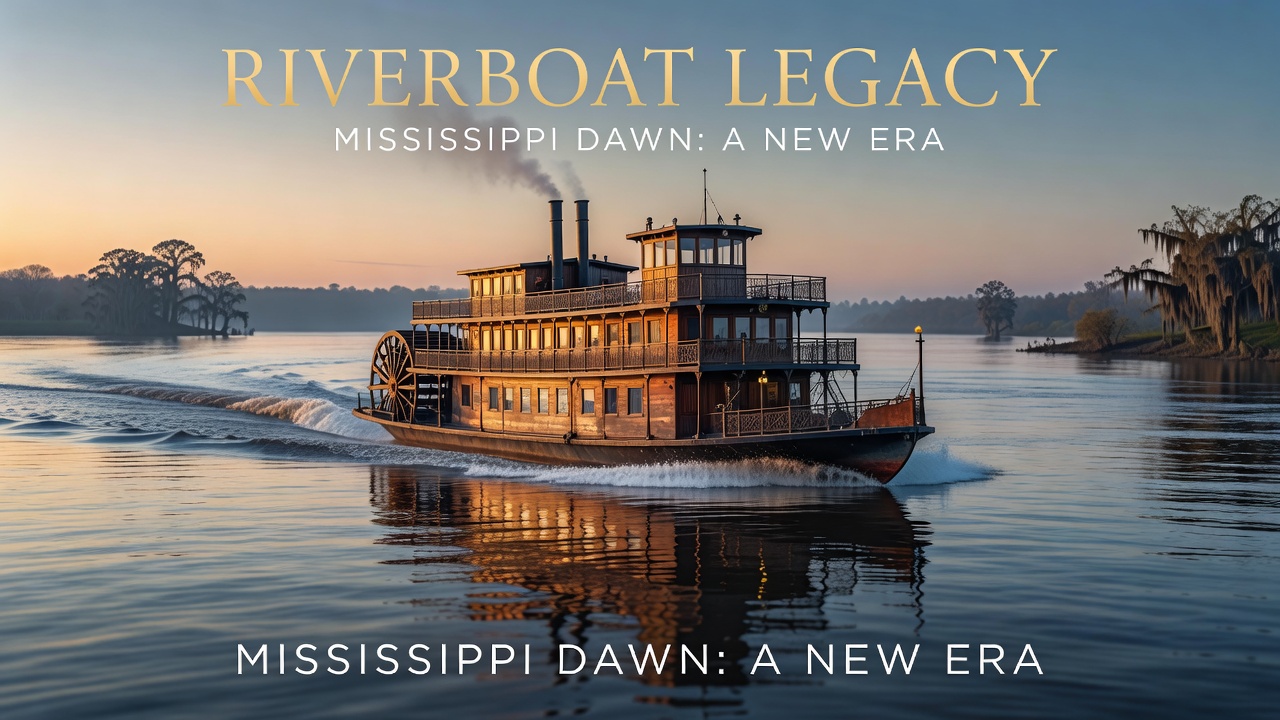
What's clear: poker became a major gambling phenomenon on Mississippi riverboats in the 1800s. The riverboat poker culture shaped how the game was played and perceived.
The Riverboat Era
From roughly 1820 to 1860, riverboats plying the Mississippi River became floating casinos. Wealthy merchants, plantation owners, and professional gamblers played poker for significant stakes.
The riverboats were lawless. Cheating was common. Violence was a consequence of cheating.
Poker was the game of choice because it rewarded psychological skill (reading opponents) more than mathematical knowledge. In an era before calculators, game theory was not formalized.
The Professional Gambler
The riverboat era created the archetype of the professional gambler: well-dressed, charming, dangerous. A person who lived by winning at cards.
This image persists in how poker is portrayed in media. The gambler is charismatic and skilled, but also morally ambiguous.
The Cheating Problem
Riverboat poker was rife with cheating. Marked cards, collusion between dealers and players, sleight of hand.
The consequences of being caught were severe. Violence was the enforcement mechanism. A cheater might be killed.
This created an odd dynamic: cheating was expected, and severe punishment was also expected.
The Migration
As the frontier moved west, poker followed. Saloons in mining towns, trading posts on the frontier. Poker became the gold standard gambling game.
The game's appeal was universal: minimal equipment needed (a deck of cards), skill element, high variance (possibility of big wins).
The Skill Evolution
Over decades of play, poker strategy evolved. Better players started understanding bet sizing, hand strength,position.
This evolution was organic, not theoretical. Players learned through experience and observation.
The Saloon Culture
In the 1800s American West, saloons were social centers. Men gathered to drink, socialize, and play cards.
Poker became the standard game because it accommodated multiple players, had enough randomness that anyone could win in the short term, and rewarded skill over luck.
The Gunslinger Myth
The image of gunfighters playing high-stakes poker at saloon tables is partly historical, partly myth.
Certain famous gunfighters (Wild Bill Hickok, for instance) played poker. But the image was dramatized by fiction writers.
The reality was probably less glamorous: regular people playing cards, occasionally with violence when disputes arose.
The Transition to Casinos
As civilization moved westward and cities formed, poker moved indoors to legitimate casinos. The game became less violent, more systematized.
But the cultural memory of the Wild West poker game persists. The idea that poker is dangerous, that it attracts characters, that it's about reading people and taking risks.
The Modern Echo
Poker terminology still reflects its riverboat origins. "Dealer" originally meant the person operating the game for a gambling operation. "Pot" comes from the pooled stakes.
Terms like "bushwhacker" (a sneak attacker) and "tinhorn" (a cheap gambler) are remnants of frontier language.
The Lesson
Poker's cultural identity comes partly from its actual mechanical properties (hands, odds, skill) and partly from its history of being played by outlaws and gamblers.
This history shaped how people think about the game even now.