 NO KYC CASINO
Squeeze Plays in Poker: How and When to Squeeze
A squeeze play is a strategic aggression in poker. When it works, it wins pots no one expected you to win. When it fails, it's expensive.
- logged
- by
- Felix Braun
- rail
- Poker
- read
- 3 min
- hash
- 73c58d0
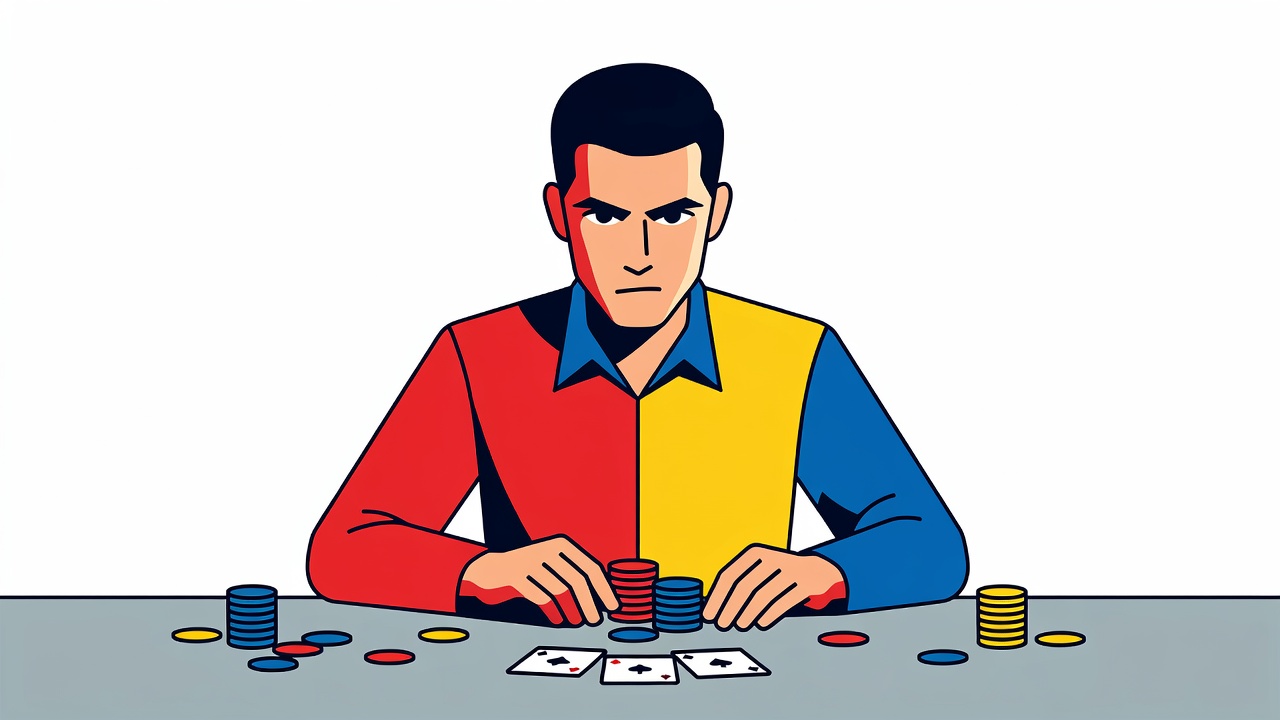
A squeeze play is a specific poker move: multiple players have bet and raised, you come in from a late position with a large re-raise, threatening to force out multiple opponents at once.
The term "squeeze" comes from applying pressure to multiple people simultaneously. You're not trying to beat one opponent. You're trying to fold everyone out.
The Setup
Early position player bets. Middle position player raises. You're in late position. You come in with a three or four-bet.
Now the original bettor has to consider: fold, call a much larger amount, go all-in, or call in hopes of isolating one opponent. Most players fold.
You win immediately without going to showdown.
The Mathematics
For a squeeze to be profitable, it needs to win the pot a certain percentage of the time. If you're squeezed with a 5% actual winning hand, you need the pot to fold more than 95% of the time to have positive EV.
Against weak players, this works. Against good players, they recognize a potential squeeze and adjust.
The Opponent Factor
Squeeze plays work best against:
One: weak opponents who don't understand you're applying pressure. Two: predictable opponents (aggressive early, weak late). Three: large fields where multiple people are likely to fold.
They work least against: strong opponents who understand ranges, opponents in position, opponents with strong hand history.
The Bankroll Requirement
A failed squeeze is expensive. You bet a lot, no one folds, you're in a hand with weak cards out of position.
You need enough bankroll to weather variance on squeeze plays because they fail sometimes.
The Frequency Question
If you squeeze too much, good opponents recognize it and start trapping you. They'll call your squeeze with strong hands.
If you squeeze too little, you miss profitable opportunities.
Optimal squeezing frequency depends on your table image and the specific opponents.
The Position Advantage
Squeeze plays work best from the button or cutoff (late position). You have the most information and the most fold equity.
Squeezzing from early or middle position is much weaker because you have less information.
The Execution
A good squeeze looks like a strong hand. You size your re-raise to be credible. If you make it too small, people call. If you make it obviously huge (more than needed), people smell a bluff.
The bet sizing is important for making the bluff believable.
The Counter-Squeeze
Against good opponents, a squeeze play can itself get squeezed. You squeeze with 8-7, someone goes all-in with a strong hand, now you're in trouble.
This is why squeeze plays are primarily a casual-game phenomenon. In games where everyone understands the dynamic, squeezes are rare and countered aggressively.
The Profitability
Squeeze plays can be profitable, but they require excellent hand selection, positioning, and opponent reading. Most amateur poker players lose money on squeeze plays because they don't understand the math and they're too obvious about when they're trying it.
The Lesson
A squeeze is a pressure play. When you understand aggression and your opponents, it can be valuable. When you don't, it's a fancy way to lose money.