 NO KYC CASINO
How to Verify a Poker Site's Legitimacy Before Depositing
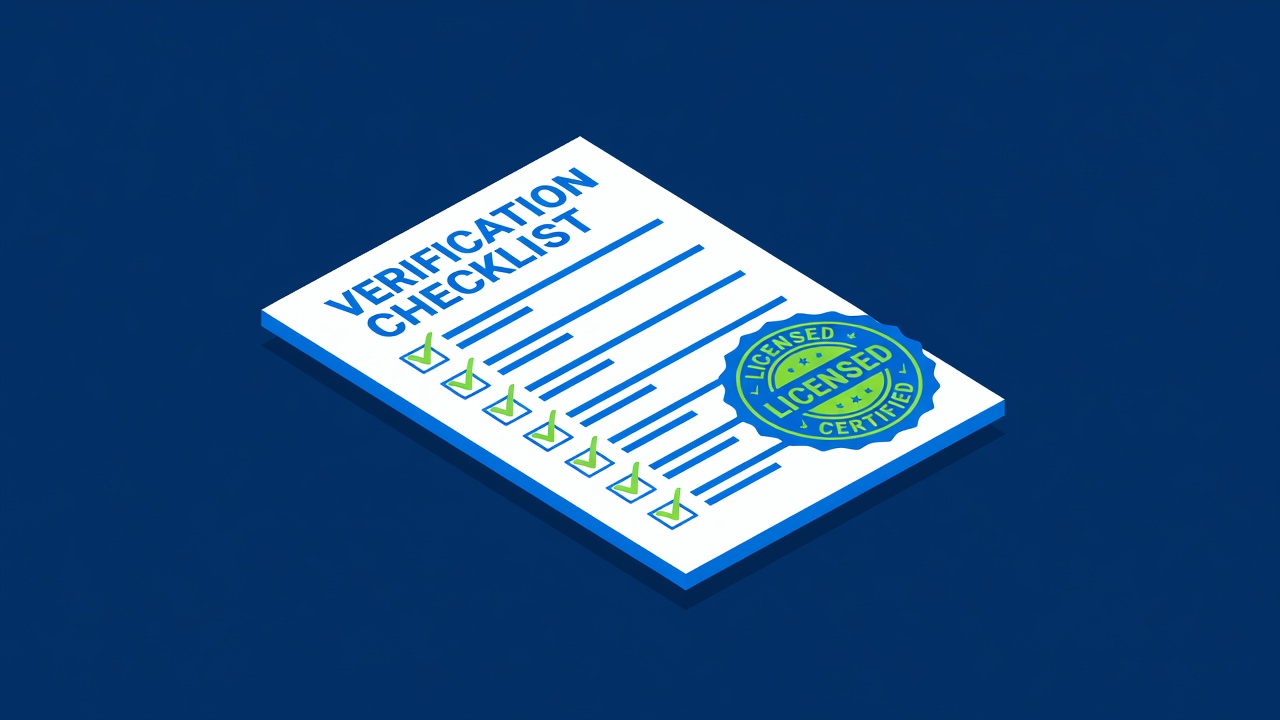
Before you deposit money, verify the site. This takes 20 minutes. It saves you from losing everything to a scam.
- logged
- by
- Lena Sokolova
- rail
- Guides
- read
- 3 min
- hash
- e365be2
The gentleman pushed a stack of chips to the center of the table, and the croupier made note of the amount. That was how trust worked at the high-limit tables: you watched the action. You verified each detail. Only then did you proceed.
Online, the same caution applies, but the process is different.
First: license verification. Most legitimate poker sites display their license information at the bottom of the page. Malta Gaming Authority. Isle of Man. Curaçao. Take that license number and verify it directly with the issuing authority. Don't use a link on the site. Go to the regulator's website independently and confirm the license.
Second: regulatory check. Some jurisdictions carry more weight than others. Malta and the UK are regulated closely. Curaçao is less so but still functional. If the site claims a license you can't verify, that's a red flag.
Third: company information. A legitimate site lists the company behind it, their registration number, their address. You can cross-check this with business registries. If the address is a mailbox in a jurisdiction known for shell companies, be cautious.
The Technical Checks
Fourth: SSL certificate. Every legitimate poker site uses HTTPS. Check the URL bar. If it says "Not Secure," do not deposit. This is non-negotiable.
Fifth: third-party audits. Reputable sites are audited by independent firms like iTech Labs or eCOGRA. These firms verify that the RNG is fair and the software isn't rigged. If a site claims fairness but has no third-party audit, question it.
Sixth: player reviews. Check independent sites like AskGamblers or Trustpilot. Read the complaints. Are they about withdrawals being delayed? About unfair play? About missing software? These tell you what the site is actually like to play on.
The Withdrawal Red Flags
Seventh: withdrawal terms. Contact customer service with one question: if I win 50,000 dollars, how long does it take to withdraw? If they give you a vague answer, that's a sign. Legitimate sites have clear withdrawal timelines and have processed large withdrawals before.
Eighth: deposit limits and restrictions. Some sites limit deposits to prevent problem gambling. Others have restrictions that smell predatory: "Deposits only via wire transfer, no refunds." Legitimate sites accept common payment methods and allow reversals.
Ninth: terms of service. Read them. Are there hidden clauses that forfeit your money if you do certain things? Are the terms so vague that the site could claim any forfeit and be technically covered? These are signs of an untrustworthy site.
The Final Check
Tenth: cold call the company. Get their phone number from the website (not from Google). Call them. Ask about account security, withdrawal processes, dispute resolution. If they don't answer or get defensive, something is wrong.
This whole process takes 20 minutes. It's worth it. The number of people who have lost substantial sums to unregulated poker sites that vanished is significant. The few who did the verification process rarely lose to outright scams.
Deposit only to sites that pass all of these checks. If you're unsure, skip it. The game will still be there.