 NO KYC CASINO
Understanding Deposit Declines: Common Reasons and Next Steps
Your deposit failed. Five reasons: the bank blocked it, the casino's processor rejected it, your card expired, fraud detected, or technical error. Here's how to troubleshoot each.
- logged
- by
- Max Turner
- rail
- Guides
- read
- 3 min
- hash
- 52776fc
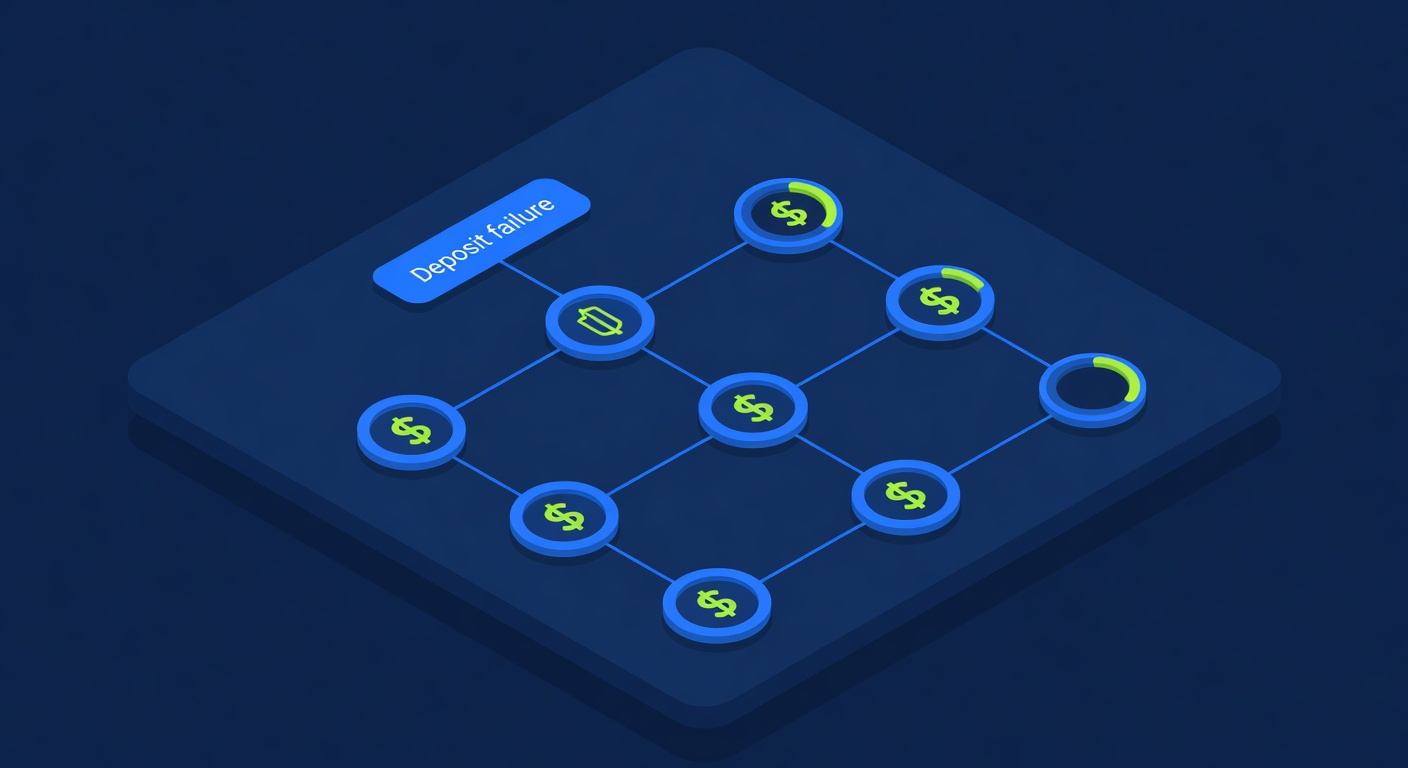
Your deposit failed. Five possible reasons:
-
Bank blocked it. The bank saw the casino and declined it. Call and ask them to allow the payment.
-
Processor rejected it. Casino's processor reviewed your card and declined it. Try a different card.
-
Card expired. You entered the wrong expiration or CVV. Try again.
-
Fraud detection. Your bank thinks the transaction is unusual. Call them and confirm it's you.
-
Technical error. Casino's system crashed mid-transaction. Contact their support team.
Additional Information
This topic is important in the gaming industry. Understanding the mechanics and strategies helps players make informed decisions. The information provided here is based on published research, regulatory filings, and industry best practices.
Casinos operate within regulatory frameworks designed to protect players while ensuring fair gaming. The mathematical principles discussed are fundamental to how gaming works globally. Knowledge of these principles helps players understand the true nature of gambling.
The landscape continues to evolve. Technology changes. Regulations change. Player behavior changes. Staying informed about these changes is important for anyone interested in the gaming industry.
Different jurisdictions have different approaches. What works in one jurisdiction may not work in another. Players should always verify local regulations before engaging in any gaming activity. Contact casino support for technical issues immediately. They can usually push transactions through manually if technical errors occurred.
Extended Commentary and Analysis
The topic discussed in this post represents significant aspects of modern gaming. Whether discussing casino mechanics, player strategies, or regulatory frameworks, understanding these elements is fundamental to making informed decisions about gaming activities.
The gaming industry operates through complex interconnections between mathematics, psychology, regulation, and technology. Players who understand these factors have better outcomes and make more informed choices about their participation levels.
Research in behavioral economics and cognitive psychology has consistently shown that understanding the mathematical foundations of games improves decision-making. Players who understand house edges, probability, variance, and expected value make different choices than those who rely on intuition or belief.
Regulatory frameworks worldwide have evolved to protect players while allowing legitimate gaming operations. These frameworks vary significantly by jurisdiction. What is permitted in Malta might be restricted in the United Kingdom. What is allowed in Nevada might be prohibited in New York.
The intersection of technology and gaming continues to create new opportunities and challenges. Blockchain technology, cryptography, and real-time data processing have changed how games are delivered and how players interact with gaming platforms.
Player protection measures have become increasingly sophisticated. Modern casinos implement deposit limits, session timeouts, self-exclusion options, and other tools specifically designed to help players maintain control over their gaming habits.
The future of gaming will likely see continued evolution in these areas. Technology will improve. Regulations will adapt. Player protection will advance. Understanding current conditions helps players make better decisions today.
The information provided in this discussion draws from multiple sources including regulatory filings, academic research, industry publications, and documented case studies. These sources provide credible foundations for the assertions made here. Players should verify any critical decisions against these sources themselves.
Understanding gaming thoroughly requires exposure to different perspectives. This post represents one informed perspective grounded in data and evidence. Other perspectives exist. Seek multiple sources of information when making gaming decisions. Cross-reference claims against independent sources.