 NO KYC CASINO
Deposit Limits vs Loss Limits: Understanding the Difference
Casinos offer both deposit and loss limits. Most players confuse them. They're solving different problems.
- logged
- by
- Grace Kim
- rail
- Guides
- read
- 3 min
- hash
- dd8f78f
I spent time in rooms where money changed hands in ways that made the regular casinos look conservative. The rituals, the structures, the rules. All designed to manage a specific behavior: spending more than you planned.
Deposit limits and loss limits are two different interventions for two different moments.
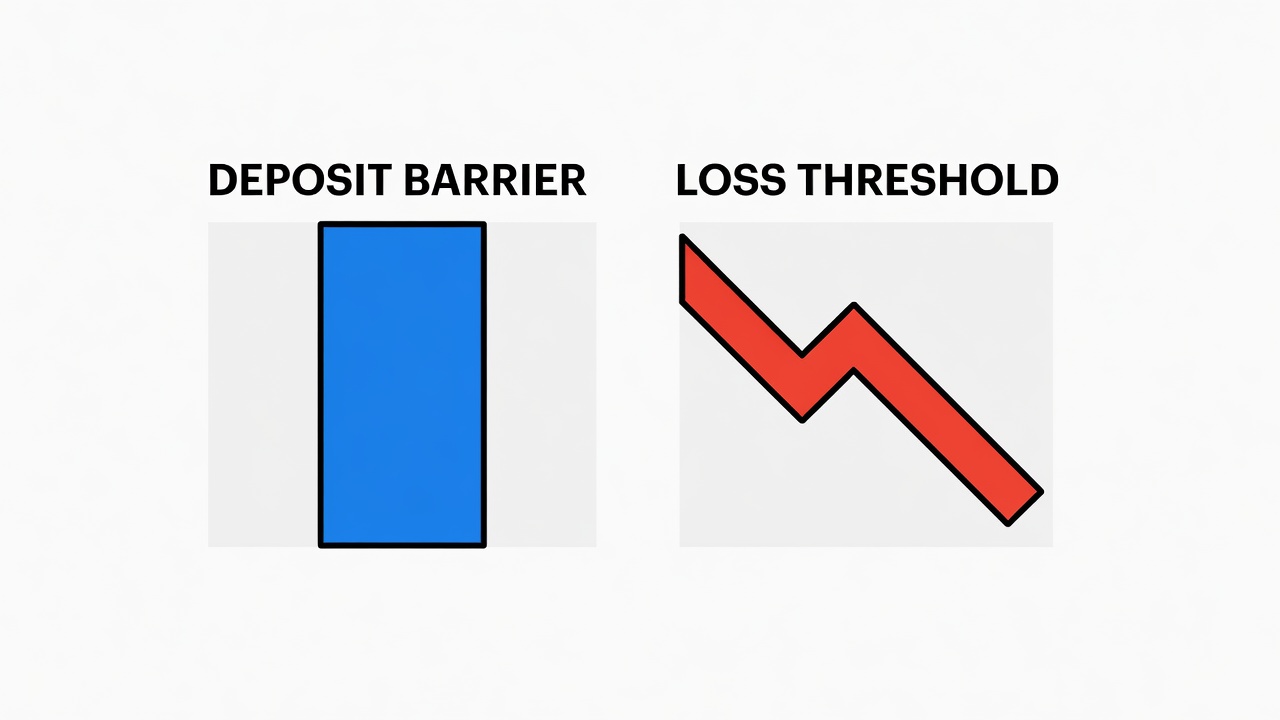
A deposit limit says: you can only put this much money into your account per day, week, or month. If you set a 100-dollar daily deposit limit, you cannot deposit more than 100 dollars in a day. If you want to deposit more, you have to wait until tomorrow.
A loss limit says: you can only lose this much money in a day, week, or month. If you set a 500-dollar weekly loss limit, and you lose 500 dollars, the casino locks you out of playing until the week resets.
The Psychological Difference
A deposit limit slows down your ability to fund gambling. If you're trying to chase losses and you've already hit your deposit limit, you physically can't deposit more. The limit protects you from the impulse.
A loss limit lets you spend as much as you want, but only up to the loss amount. This protects you from extended losing sessions. You play, you lose 500, you're out for the week.
Why They're Both Important
A deposit limit prevents the escalation. You set 100 dollars daily. Over a month, you can spend maximum 3,000 dollars. That cap is fixed. You can't break it.
A loss limit prevents the sunk cost fallacy. You play, you lose, you keep playing to try to win it back. The loss limit says: you've lost your limit for the week, you're done.
But neither is perfect. A deposit limit doesn't prevent you from losing everything in your account. You deposit 100, you lose 100, you deposit 100 again tomorrow. Over time, the deposits accumulate and the losses accumulate.
A loss limit doesn't prevent you from depositing again during the week if you've hit your loss limit. You lose your weekly limit on Monday. You want to play Tuesday. You deposit new money and set a new loss limit.
The Optimal Combination
The most effective responsible gambling setup combines both. A deposit limit controls total money entering your account. A loss limit controls how much of that money you can lose before being locked out.
Additionally: a self-exclusion period is often used. You exclude yourself for a set time (3 months, 6 months, permanent). During exclusion, the casino will not let you play, contact you, or send promotions.
The casinos that have evolved past the old model (the ones that are genuinely trying to reduce problem gambling, not just claim to) offer all three tools clearly and make them easy to use. The casinos that make these tools hard to find or difficult to set up are not serious about responsible gambling.
Observational Detail
In the underground rooms I spent time in, there was no limit system. The house kept playing as long as you were willing to play. The rooms that lasted longest were the ones with the most honorable operators, the ones who would tell a losing player to stop. The rooms that collapsed fastest were the ones that squeezed every last dollar out of players. The human element mattered most.
Online, that human element is gone. The limit system is your only protection from yourself.