 NO KYC CASINO
Let It Ride Poker: The One Game Where You Actually Control Your Risk
Let It Ride strips away the pressure. You make one choice, then the cards do the talking. That simplicity is everything.
- logged
- by
- Grace Kim
- rail
- Poker
- read
- 4 min
- hash
- a19c3a6
You walk into the casino, the lights hit you, and the poker room is packed. But you stop at the Let It Ride table instead of the serious grinders. Smart move.
Let It Ride is the game where you don't sweat every decision. The basic setup is almost absurd in its clarity: you get three cards face-down, the dealer puts two more community cards out. You're trying to make a five-card poker hand. That's it. No one's bluffing you. No one's watching your face. The math is clean.
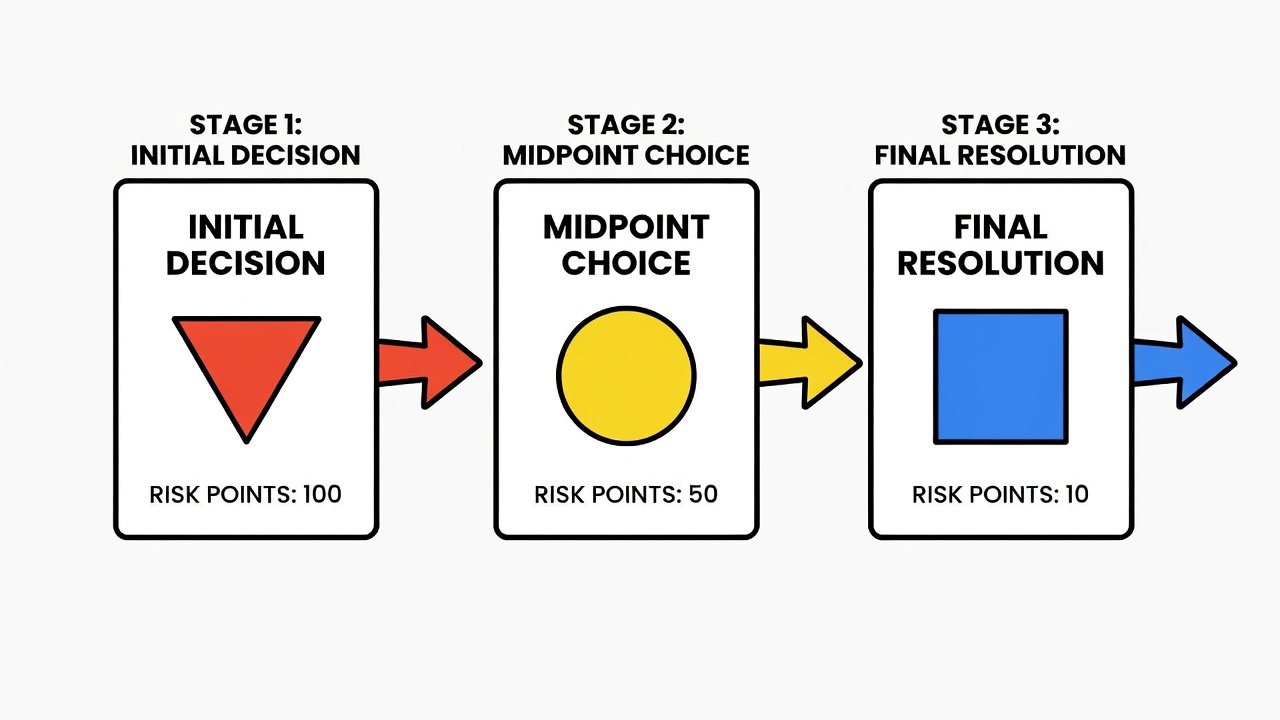
Here's how the bets work, and this is where it gets interesting. You throw down three equal chips to start: one as a wager on your hand, plus two side bets. You look at your three private cards. You can either pull back your first bet (the "Let It Ride" choice, ironically) or leave it sitting. The dealer burns a card, flips one community card. Now you decide again: pull back the second bet or leave it. Fourth community card shows. Everything's exposed now. The hand either wins or it doesn't.
The payoff structure makes the game sing. You need at least a pair of tens to win anything. A pair of tens gets you even money. A pair of queens or better: double your money. Kings or aces: triple. Straights and flushes start paying serious juice: 5 to 1 for a straight, 8 to 1 for a flush. A full house? 11 to 1. Straight flush, you're looking at 200 to 1. Royal flush is the whole table staring at you while you collect 1,000 to 1.
Why This Game Separates Smart Players From Chasers
The strategic layer is thin but real. Most people stay in too long. They see any decent three cards and convince themselves it's a sign. It's not. You need to remember that the first bet is the worst bet statistically. You're throwing more money at hands that probably won't hit. The house edge on that initial wager hovers around 2.85%. The second bet is slightly worse. But if you make it to the end and you're a pair away from winning, you're getting decent odds on the payout.
The smart play? Fold if you've got nothing. Fold if you've got eight-high and no kicker. Fold if you've got low cards that don't connect. The money you save by folding bad hands early? That compound math works. You stay in on pairs, connected high cards, or three cards toward a flush. That's the line.
The game doesn't demand perfect play. It demands that you don't throw away chips on pure hope. Most players at the Let It Ride table are either too aggressive or too timid. The aggressive ones bleed through the first two rounds. The timid ones leave chips on the table they could have pressed. The middle ground, the boring answer, is where the actual math lives: fold trash, stay in on solid draws, and let the distribution curve do what it does.
What makes Let It Ride brilliant is that you can't slow-play a hand or psych anyone out. The cards decide. You decide once. The rest is physics. Some people hate that. They want the poker mind-games. They want to bluff. Those people should be at No-Limit Hold'em. You, though? You came here because you wanted the experience without the anxiety. You wanted to feel the game without having to think twenty moves ahead.
The casino loves this game because the payouts look enormous and the house edge is clean. You're getting true odds on some hands, worse odds on others. The math of it tracks. The game doesn't cheat. It just doesn't favor the player over time.
So you sit down. You throw down your three bets. Your three cards show. Kings and a seven. A straight flush draw. You leave your first bet. The dealer flips the community card. It's a deuce. You leave your second bet. Now the moment: third community card. Jack. You've got a pair of kings and a straight flush draw that died. You've got kings, which pays double. Everyone before you busted. You win twice your money. The lights didn't get any brighter. The sound didn't change. But you just beat a table of people because you understood when to fold and when to push. That's the rush.