 NO KYC CASINO
Evolution Gaming: How One Studio Defined Live Casino
Evolution Gaming started in 2006. The founder, Jens Fahrbring, believed that live casino would require a specific kind of infrastructure. Not just cameras and internet pipes.
- logged
- by
- Omar Haddad
- rail
- Live Casino
- read
- 3 min
- hash
- da62ae8
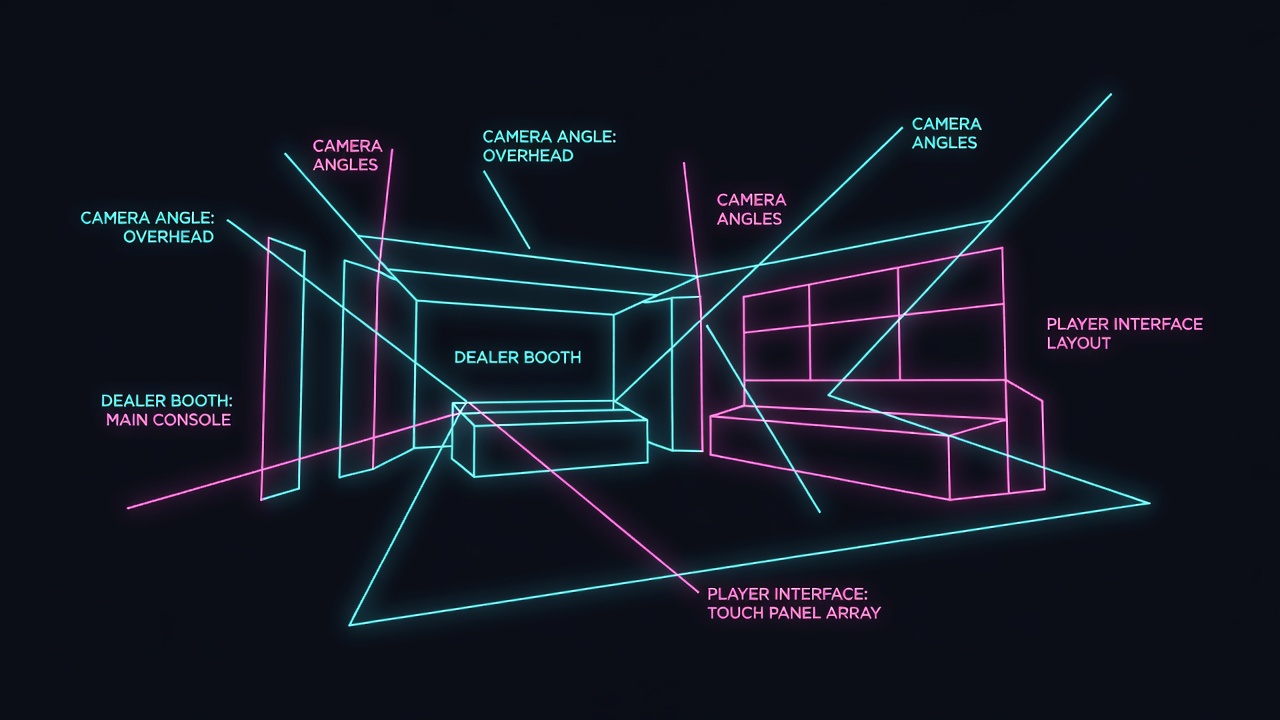
Evolution Gaming started in 2006. The founder, Jens Fahrbring, believed that live casino would require a specific kind of infrastructure. Not just cameras and internet pipes. The whole operation had to be designed with security in mind from the foundation up. Every camera angle had to have a security purpose. Every dealer movement had to be visible from three simultaneous views. Every card shuffle had to be conducted in a manner that no manipulation could go undetected.
The company began with live blackjack. Three dealers. One table. A single broadcast from a studio in Riga, Latvia. The point of Latvia was cost structure and regulatory environment. The games could be licensed quickly. The infrastructure could be built cheaply. The dealers could be trained without union complications. Riga was not an accident. It was a calculation.
The Studio Architecture
What Evolution did differently was obsessive attention to the exact angles that reveal dealer behavior. In a casino, a dealer works under dozens of cameras because the house suspects its own employees. Evolution brought that same logic to a digital room. Every hand was shot from above. Every hand was shot from the side. Every hand was shot from behind the dealer. The broadcast had three simultaneous video feeds. A cheat attempting to palm a card or mark a deck would be visible in at least two angles.
The shuffle protocol matters. Evolution required dealers to shuffle in specific ways. Riffle-shuffle. Hindu shuffle. They filmed it and reviewed it. The order was randomized so dealers could not develop a rhythm that produced predictable patterns. This was counterintuitive because casinos had previously allowed dealer repetition. Repetition is efficient. But Evolution understood that repetition creates pattern and pattern can be exploited.
The betting structure was also novel. Players bet before the cards are dealt. The wager is locked. The dealer cannot see the bets after the action begins. This prevents signals between players and dealers. A collusive dealer and player can communicate through bet patterns. By locking the bets early, Evolution eliminated that vector.
The Regulatory Play
Evolution licensed its product through MGA Malta (Malta Gaming Authority) and Curacao eGaming. Both regulators required documented security protocols. Evolution documented everything. The security documents became the product's defensibility. Regulators could inspect footage. Regulators could verify that the auditable trail existed. Casinos could market the Evolution games as regulated rather than just available.
The company then licensed its software to affiliate casinos rather than running the games directly. The economics were straightforward. Evolution built the infrastructure once. Paid the studio rent once. Then licensed that infrastructure to hundreds of casinos. Each casino paid a percentage of the turnover. The margin was enormous because the marginal cost of adding another casino to the broadcast was near zero.
The Defensive Position
By 2010, Evolution had become the de facto standard for live casino. Competitors tried to build similar products. None understood the security architecture as thoroughly. The competitors saved money on camera angles, on shuffle protocol, on regulatory documentation. This saved them three to six months of licensing time. It also made their games less defensible against sophisticated cheating attempts.
A dealer trying to cheat an Evolution game would need to identify three blind spots simultaneously. The probability dropped sharply. The payoff for cheating became economically irrational compared to accepting the salary. Evolution's obsession with surveillance was not paranoia. It was a business model. The more secure the game, the more casinos would license it. The more casinos licensed it, the higher Evolution's profitability. What looked like defensiveness was actually good economics.