 NO KYC CASINO
InfiniReels and Expanding Grid Slots: The Engineering Behind Complexity
InfiniReels look like a game where the reels can expand infinitely. That's the marketing story. Here's what's actually happening.
- logged
- by
- Felix Braun
- rail
- Guides
- read
- 3 min
- hash
- 4725a20
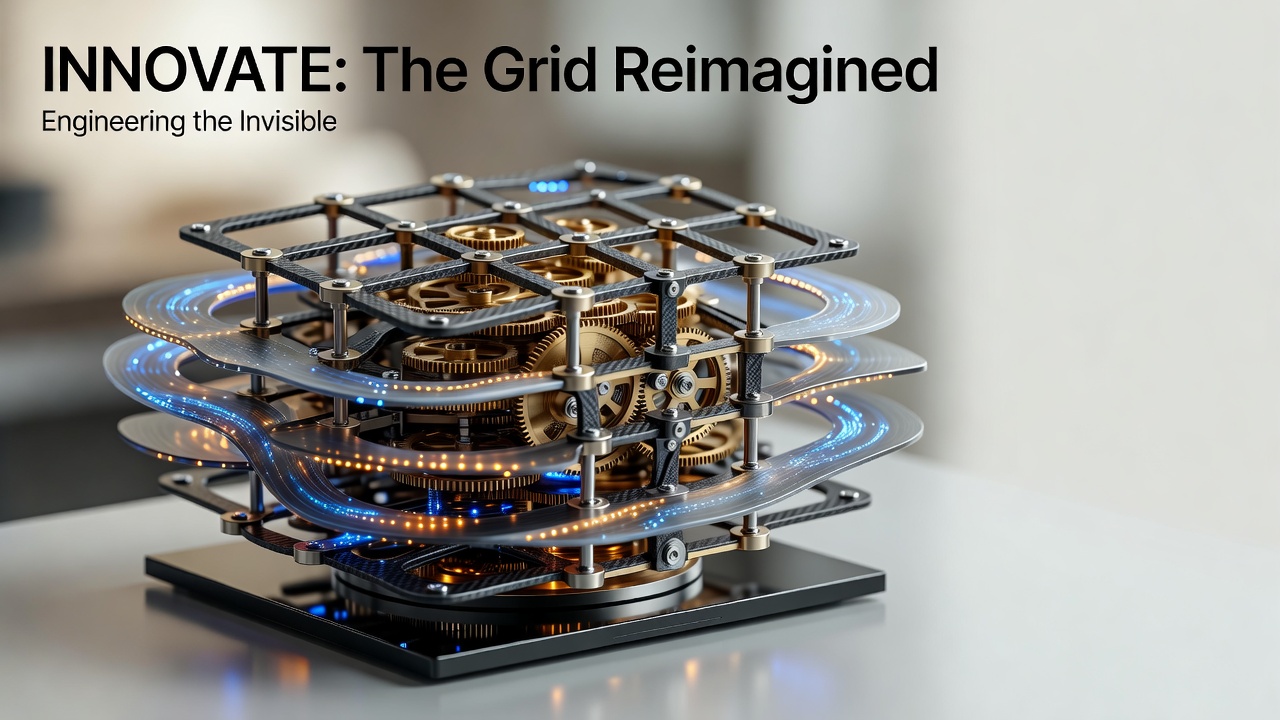
InfiniReels is a mechanic developed by Pragmatic Play where the reel grid expands as you play. You start with, say, 5 reels. A symbol hits, and a new reel appears. The grid gets bigger. The math promises more ways to win.
The promises: unlimited reels (which is technically true but practically limited by the code). More reels means more paylines. More paylines means more ways to win. The slot feels like it's opening up, expanding, giving you more opportunity.
Here's what's actually happening: Pragmatic Play has designed an RTP structure that distributes differently across reel expansions. The initial 5-reel game has one RTP. At 6 reels, the payout structure shifts. At 7 reels, it shifts again. The game is mathematically designed so that total expected value remains consistent, but the perception is that the game is giving you more.
The Engineering Reality
Technically, InfiniReels works like this: each reel expansion is a separate event. The game has to calculate payline combinations for each possible reel configuration. This requires exponentially more math than a fixed-grid slot. The developer has to build win tables for configurations up to, say, 10 reels, and hardcode them into the machine.
The player never experiences the true infinity. There's always a practical ceiling. Pragmatic's implementation probably caps at around 8 or 9 reels before the expanding stops. This ceiling is invisible (the marketing material never mentions it), but it's real.
Why It Works as Marketing
Expanding grids feel generous. They feel like the game is rewarding you by giving you more chances. Psychologically, expansion feels like you're winning at the game itself, before any actual win happens. That's the juice.
The actual math: an InfiniReels slot with a 96% RTP doesn't pay out more money than a traditional 5-reel slot with a 96% RTP. The payouts are just distributed differently. The expanding grid doesn't change the fundamental casino advantage. It just redistributes it across more visible states.
Some InfiniReels implementations set higher RTPs (97% or 98%) to justify the complexity. When they do, it's usually because they're trying to be competitive in the market. The added complexity is expensive to implement, so the developer charges more for the license. Casinos accept the higher RTP to justify the licensing cost.
The Practical Difference
From a player's experience: an InfiniReels slot feels longer and more interactive than a standard slot. Expanding reels take time. Expanding grids require animations. You're watching the game unfold. That engagement is valuable to the casino because it increases play time. Longer play time means more money cycled through.
The claim that expanding reels give you "unlimited ways to win" is technically true but misleading. Yes, more reels create more payline combinations. But the casino has compensated for this by adjusting symbol weights, scatter values, or feature frequency. The game will hit expanding reels regularly enough to feel rewarding but infrequently enough to maintain the house edge.
The Innovation That Isn't
Expanding grid slots are clever design, not a genuine innovation. The RNG is still controlling outcomes. The house edge is still being enforced. The developer has just added visual complexity to make the experience feel different.
That doesn't make the game bad. It makes it well-marketed. InfiniReels slots are popular because they feel more sophisticated than traditional slots. Whether that sophistication translates to better odds is irrelevant; the perception of possibility is the product.