 NO KYC CASINO
How to Transition From Tournaments to Cash Games
Tournament poker and cash game poker look the same but play completely differently. Making the switch requires unlearning.
- logged
- by
- Felix Braun
- rail
- Guides
- read
- 3 min
- hash
- a1b1a4e
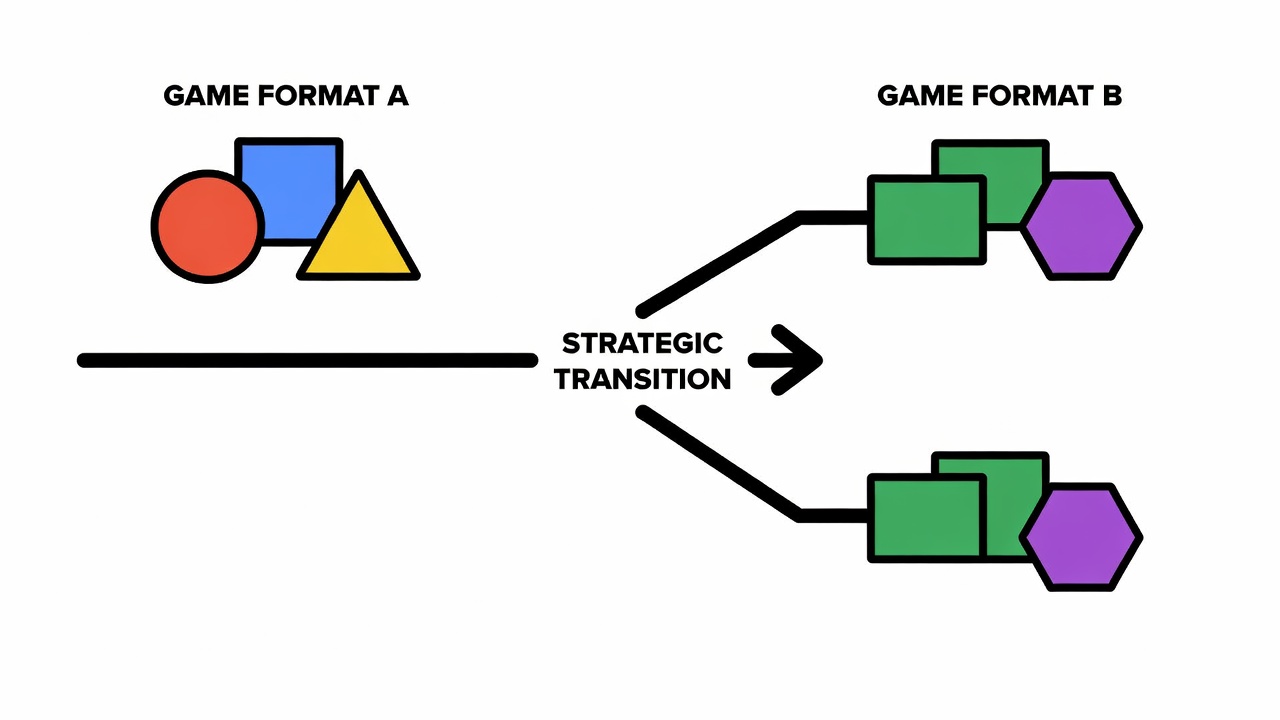
I've watched plenty of tournament grinders come to Vegas to play cash games. The ones who are smart enough to change their approach stay. The ones who try to apply tournament strategy to cash games go broke.
The difference is fundamental.
In a tournament, you have a set number of chips. When you lose them, you're out. This creates a specific strategy: early on, play tight and get value. Mid-tournament, loosen up and steal blinds. Late tournament, get aggressive and accumulate chips before you're short-stacked. Your chip count relative to the blinds determines your play.
In a cash game, you have a cashier. You can buy more chips any time you want. There's no pressure to "get in the game." You can sit, observe, and wait for premium situations. You can rebuy if you lose. The game is perpetual.
The Strategic Shift
Tournament strategy is about accumulation. You need chips to survive. You take gambles that you wouldn't take in a vacuum because the alternative (being blinded out) is worse.
Cash game strategy is about expectation. Every hand stands alone. You play hands that have positive expectation. You fold hands that don't. You don't care about "chip stack status" because stacks are infinite.
This shift destroys some tournament players. They're used to playing a hand because they're short-stacked and need to move all-in. In cash, they keep doing this and they blow through buy-in after buy-in. The money is there to replace it, so they don't notice until they're down thousands.
The Technical Adjustment
First, position matters differently. In tournaments, position early has less value because you're deep-stacked. In cash, every bit of positional advantage matters because every pot you win is real money.
Second, bet sizing matters differently. In tournaments, you might shove with a range. In cash, you size bets to extract value or apply pressure in ways that make sense given the stacks and the game. Overshoving is sloppy.
Third, table dynamics matter. In a tournament, your table breaks. In cash, your table is permanent (or semipermanent). You see the same players night after night. You develop reads. You adjust to specific opponents. A tournament player doesn't develop these reads because the table rotates.
The Psychological Element
Tournament players are used to variance. They're used to losing. The best tournament players accept run-bad stretches. Cash players need to accept variance too, but they're often less prepared for it because they think of cash as "controlled" (you can always rebuy). Then they lose 5,000 in a night and realize variance is real.
The Advice
If you're transitioning from tournaments to cash, understand that you're essentially learning poker again. Your chip-stack mindset is a liability. Your aggression tendencies will get punished. Your need to "do something" will drain your money.
Start at lower stakes than your tournament level. Play tight. Observe. Let yourself get comfortable with the idea that folding is winning. Learn the cash game dynamic before you try to apply your tournament tactics.
The good news: the fundamentals (position, hand strength, odds) are the same. The bad news: the application is completely different.