 NO KYC CASINO
The Rise of VR Table Games: What to Expect
The desire to sit at a table and bet real money against real people is written into human nature. The casino puts money on a felt surface and something in us responds.
- logged
- by
- Omar Haddad
- rail
- Live Casino
- read
- 3 min
- hash
- 07a71fe
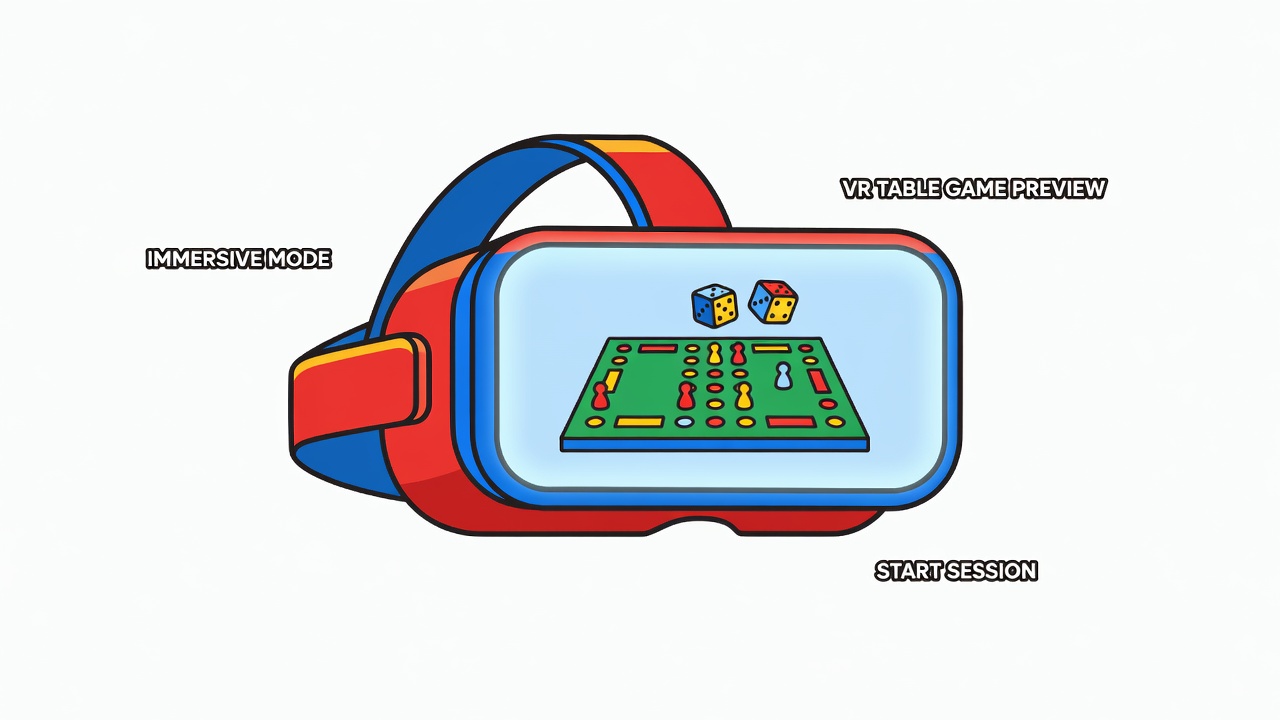
The desire to sit at a table and bet real money against real people is written into human nature. The casino puts money on a felt surface and something in us responds. The physical world makes the stakes real. Virtual reality promises to replicate that feeling. It might succeed. It might fail. The question is whether the ritual matters more than the venue.
Virtual reality table games are being developed now. A player puts on a headset. They see a baccarat table. The dealer is a digital avatar. The other players are digital avatars controlled by other humans from home. The cards are dealt by an algorithm. Money moves through the blockchain. The entire experience happens in virtual space.
What is gained. The commute disappears. The player can gamble from their living room. What is lost. The ritual of walking to a casino. The sight of other humans taking the same risk. The dealer's humanity. The small interactions that make a night at the casino feel like an experience rather than a transaction.
The Technical Promise
VR can replicate the visual environment. The table can be beautiful. The dealer avatar can be realistic. Other player avatars can move naturally. The voice chat can connect players from around the world. The experience can feel like presence even when everyone is physically isolated.
VR cannot replicate the touch of felt or the weight of chips or the smell of the casino floor. These sensory details are not central to the game mechanically. But they are central to the experience emotionally. A player in a VR headset is isolated from all sensory input except sight and sound. The body is present in one place but the mind is supposed to be present in another. This split is the weakness of the technology.
The Economic Angle
For casinos, VR is an opportunity to eliminate the cost of real estate. A casino's biggest expense is the building. Rent and utilities and staff add up. VR casinos need only servers and software developers. The margins are enormous. A casino that operates entirely in VR has margins that make traditional casinos look like charities.
For players, VR access eliminates travel costs. A player in a remote area can access the best casino in the world without leaving home. The barrier to entry drops. The time commitment drops. The friction drops. More people can gamble more frequently. The economy becomes more efficient at converting human desire into casino revenue.
The Temptation Dynamic
What concerns me about VR gambling is the removal of friction. A player who had to travel to a casino would make a conscious decision about the trip. The decision would impose a time cost that limited frequency. A player with VR access can gamble impulsively. The temptation moves from occasional to continuous.
The safeguards that physical casinos have built would need to be replicated in VR. Self-exclusion tools. Deposit limits. Responsible gambling messages. These work in a casino because a staff member enforces them. In VR, enforcement relies on code. Code can be circumvented or ignored. The player who wants to circumvent limits might simply create a new account.
The Likely Outcome
VR gambling will probably arrive within a decade. The technology is improving. The regulatory framework is developing. The economics are compelling. What will probably happen is that VR gambling will attract a new category of player: people who would never visit a physical casino. The isolation and shame of gambling from home will feel different than the communal ritual of the casino. But different might not be better.
The table in a casino is a social space. The risks are public. The wins are witnessed. The losses are shared. VR gambling is solitary. The risks are private. The wins mean nothing if no one sees them. The losses compound without the countervailing experience of community. That absence might be the technology's most significant cost.